Tag: Arctic tern

  • Of gannets and gulls: NEWT’s 4hr pelagics 25/09/26

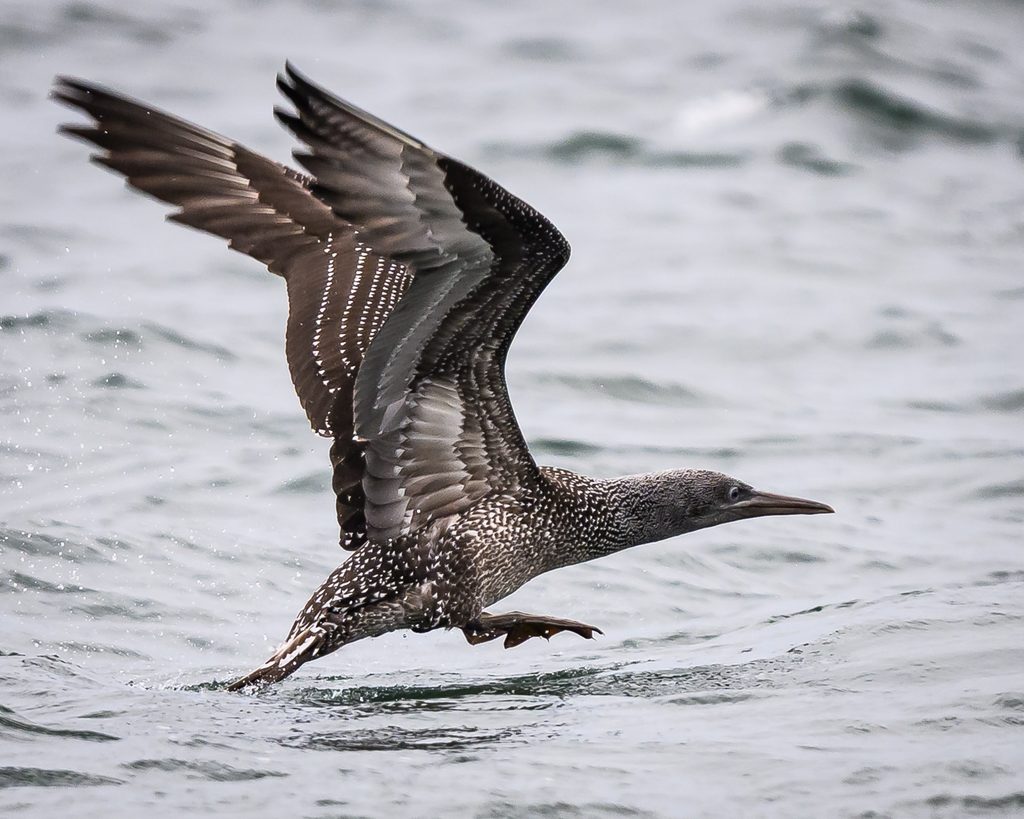
    Yesterday we had our final scheduled pelagics for 2026 (although, watch this space…). On a breezy day, with a choppy sea once we were more than a mile from land, juvenile Gannets were demonstrating how they’ve not quite got the hang of ganneting just yet…while adults will circle repeatedly and locate prey before diving from height, the juveniles were often flopping into the sea from just a few feet 🙂 Guillemots and Razorbills were rafting, there was a steady passage of Red-throated Divers, dainty Little Gulls were dip-feeding everywhere from St Mary’s Island to Marsden Rock, Arctic, Pomarine and Long-tailed Skuas were heading north and ignoring the range of victims available to them over shoals of Herring, and Wigeon, Teal , and Common Scoter passed in flocks.

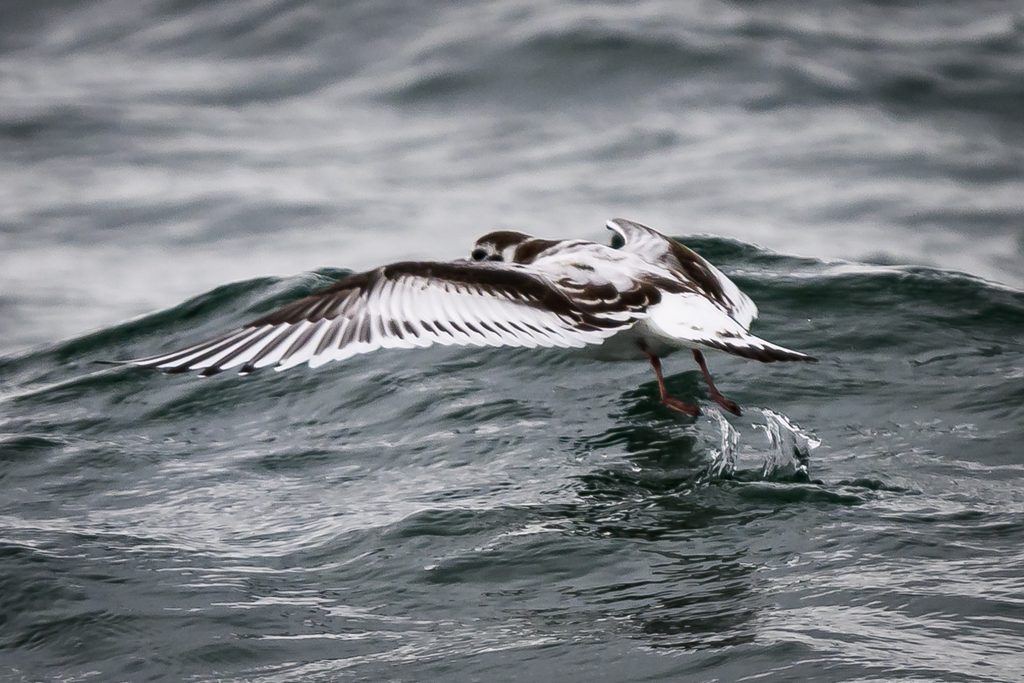
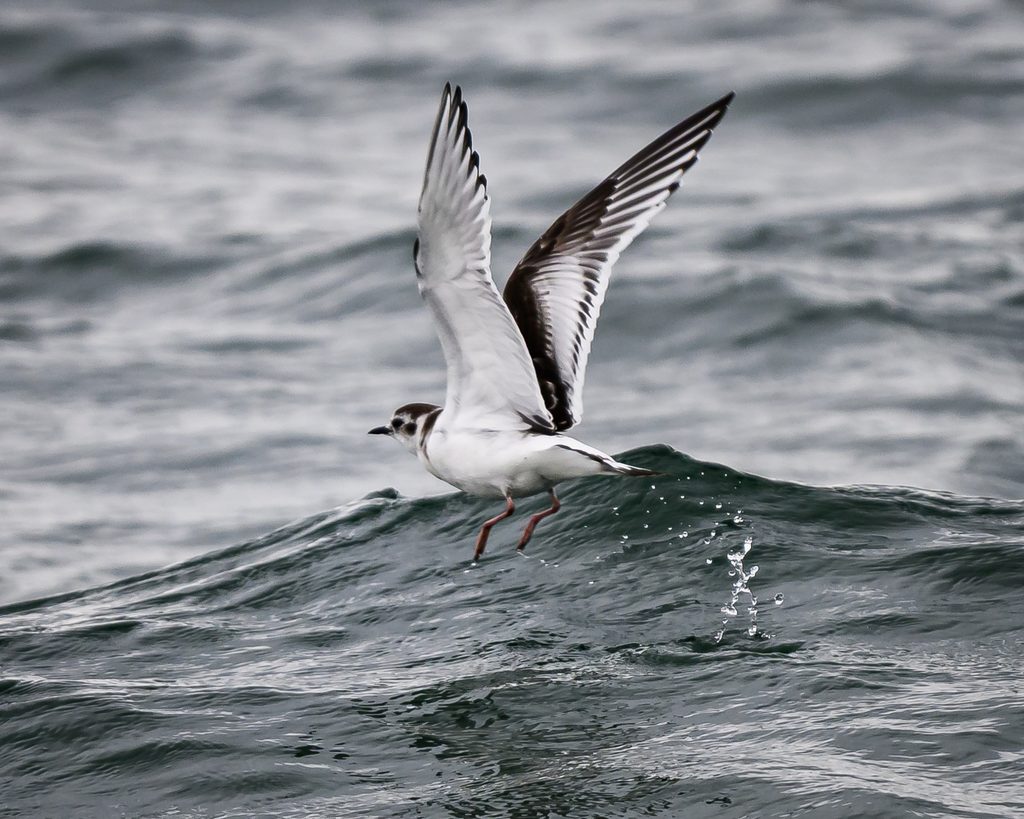
    Little Gull Hydrocoloeus minutus, North Sea, off South Shields 25/09/26 (c)NorthernExperienceImages
    Little Gull Hydrocoloeus minutus, North Sea, off South Shields 25/09/26 (c)NorthernExperienceImages
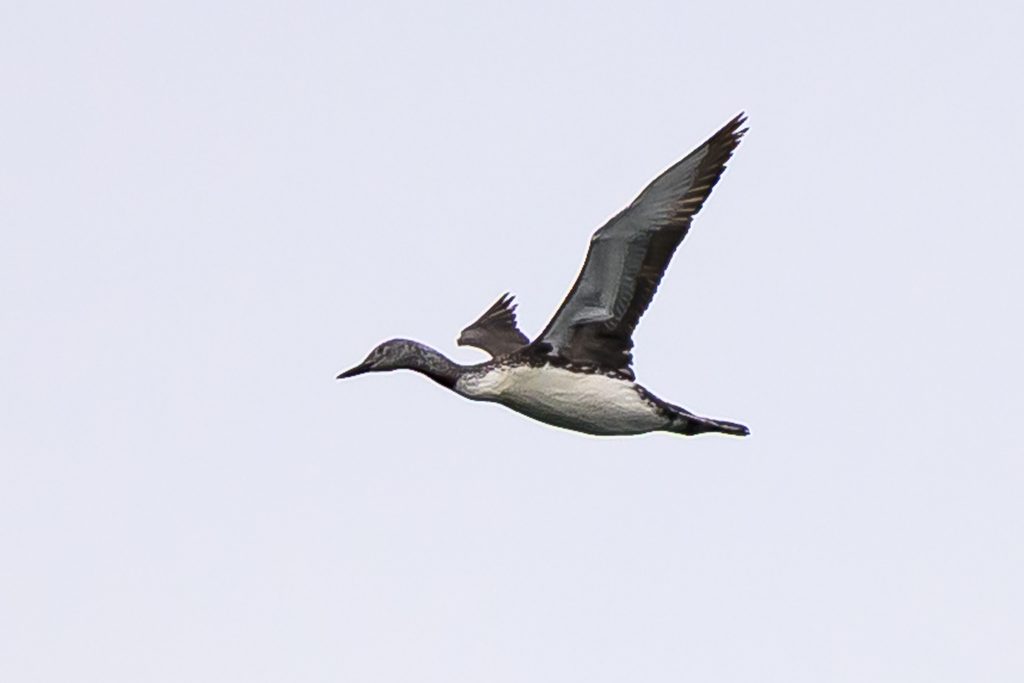
    Red-throated Diver Gavia stellata, North Sea, off South Shields 25/09/26 (c)NorthernExperienceImages
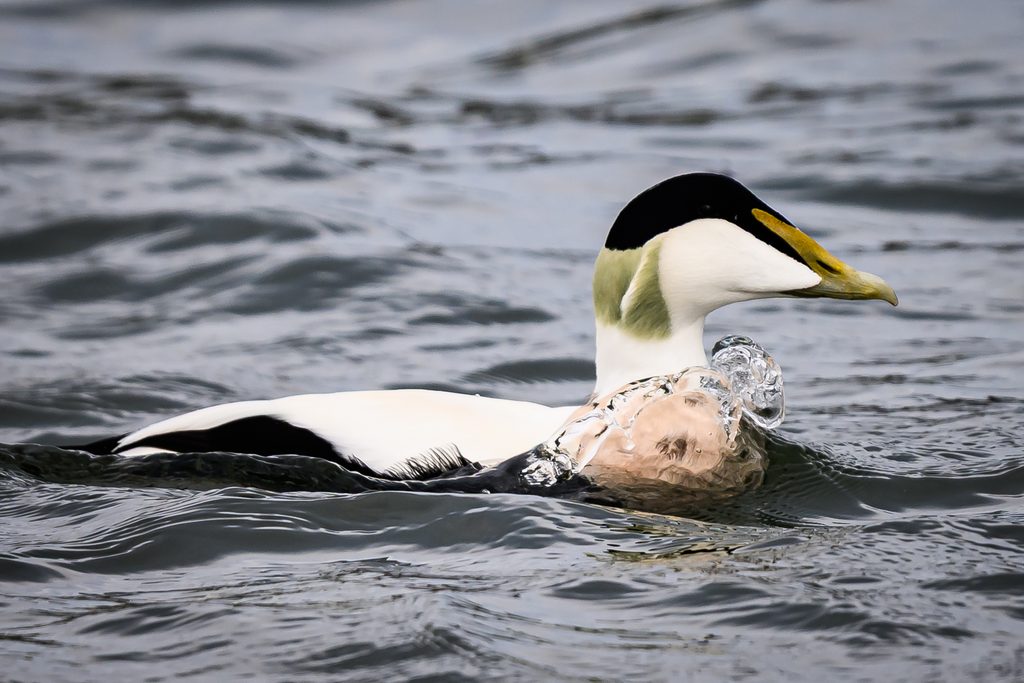
    Common Eider Somateria mollissima, River Tyne, North Shields 25/09/26 (c)NorthernExperienceImages
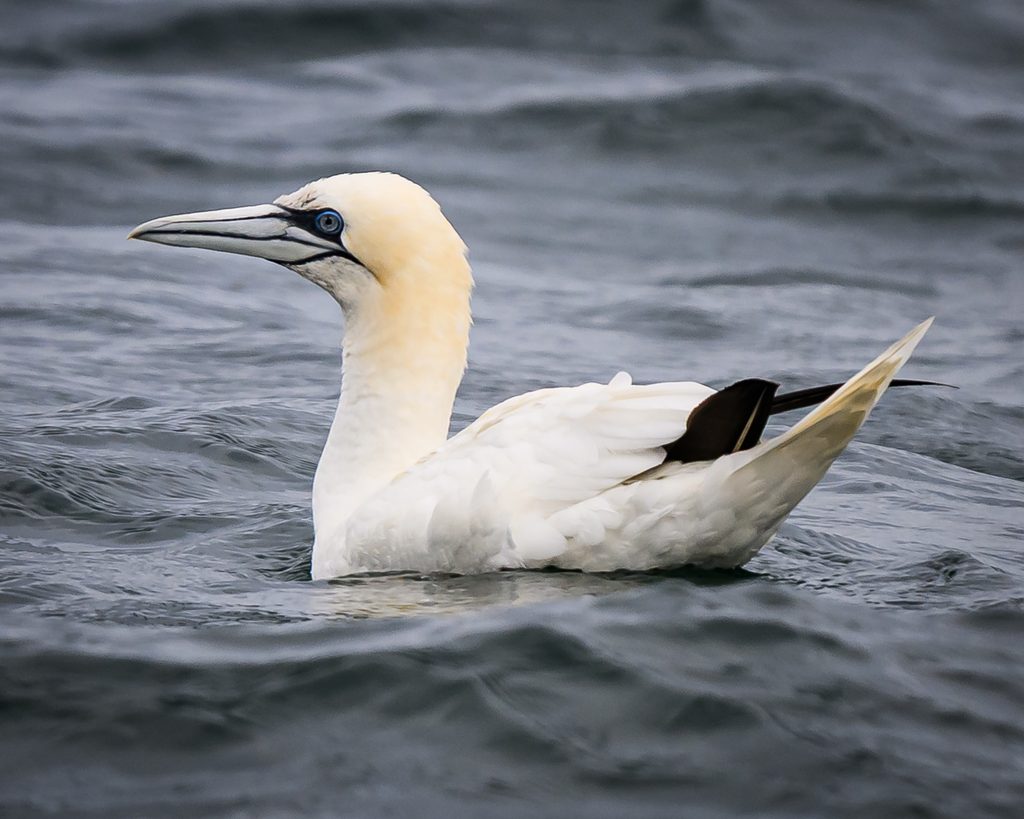
    Northern Gannet Morus bassanus, North Sea, Northumberland 25/09/26 (c)NorthernExperienceImages
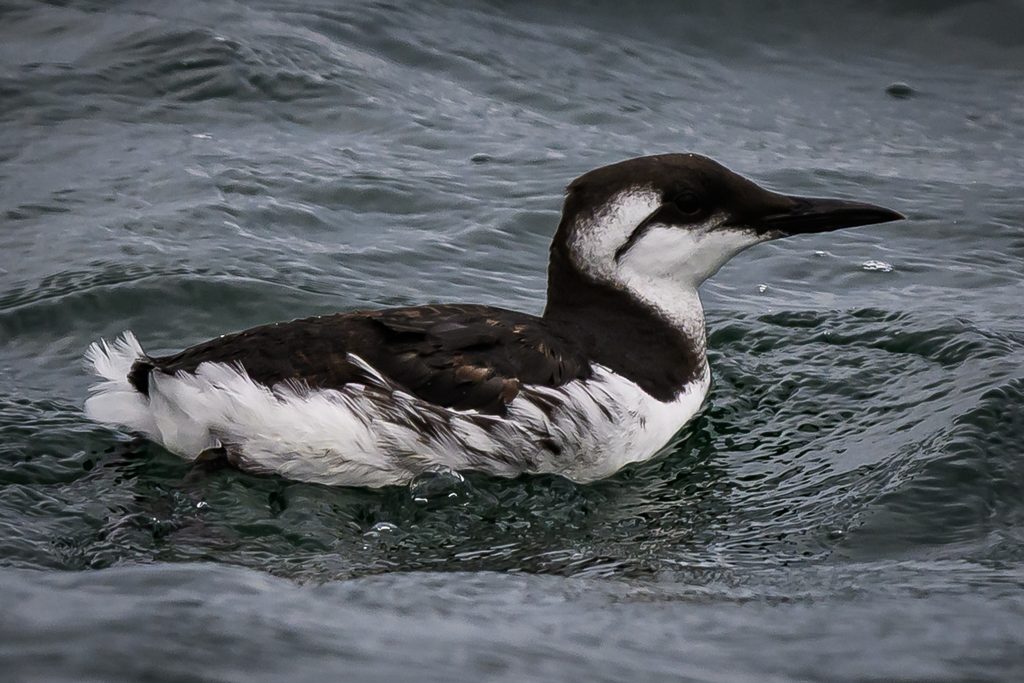
    Common Guillemot Uria aalge, North Sea, Northumberland 25/09/26 (c)NorthernExperienceImages
    Northern Gannet Morus bassanus, North Sea, Northumberland 25/09/26 (c)NorthernExperienceImages

  • Living on the edge; Otter mini-Safari 05/08/21

    One thing that’s always impressed me about wildlife is the almost constant effort needed just to stay alive, contrasting with the technologically advanced, comfortable, lives that many of us lead…

    I met up with Cath, Andy, Beth and Dan for an evening around Druridge Bay, and the weather was pleasant…particularly compared to what was forecast for the next few hours! Mute swans were feeding unhurriedly, grey herons were stalking along rushy edges, black-tailed godwits were wading and probing, and bumblebees were shifting position to take shelter underneath teasel heads – often a sign of a drop in temperature and approaching bad weather. Swallows, martins and swifts were hawking insects as a lone ruff flew through.

    As the wind started to pick up, and the first of several heavy showers passed through, a great crested grebe with a single juvenile aggressively evicted a little grebe, also with a single juvenile, from a prime patch of amphibious bistort, as cormorants sat motionless, two Arctic skuas muscled their way into the stiffening breeze, and Sandwich, common and Arctic terns obligingly lined up alongside one another like an animated field guide to separating confusion species 🙂

    Seven starlings was a start to a murmuration that eventually built to several hundred birds, as three marsh harriers went to roost and a sparrowhawk pestered and pursued the starlings repeatedly. We saw it pass by at least a dozen times without any apparent success by the time the starlings had all settled into the reeds, expending vital energy in a late evening attempt to feed before nightfall.

  • Druridge Bay Safari 21/06/21

    Sandwiched neatly between two weeks working away from home, Sue’s 11th trip with NEWT was a day around our local patch…

    mid-Summer is a time when a lot of birds are well through their breeding season and in moult, so can be secretive, but there’s always plenty still to see. Dunlin, black-tailed godwit, avocet, snipe, curlew, lapwing, common redshank and spotted redshank were all roosting or feeding around pools and rushy marshes, teal, tufted duck, gadwall, mallard, shoveler and little grebe were all dabbling or diving and common, arctic and sandwich terns arrived to bathe in freshwater as reed, sedge and willow warblers and whitethroat all sang from cover. Add in a fantastic luch at the Drift Cafe and a day quickly passes 🙂

  • Heron there 😉 Druridge Bay Safari 09/07/19

    I collected Robin and Cia, and Linda and Pete, from Newbiggin ahead of a day exploring Druridge Bay and southeast Northumberland…

    Over the years we’ve refined our tours on the coast to included different habitat types and starting with a walk through some riparian woodland we were rewarded with great views of Nuthatches and a Dipper as a Banded Demoiselle proved flighty and the quiet calls of Bullfinches revealed their presence in rank vegetation and the treetops.

    On the coast a Kestrel was hanging in the breeze as Curlews, Oystercatchers and Common Redshanks explored rockpools and a Meadow Pipit lined up alongside a row of Tree Sparrows as the simple song of Reed Buntings, the fast chatter of Sedge Warblers and the rhythmic chuntering of Reed Warblers emanated from the reedbeds around coastal pools and a very vocal Linnet was incredibly obliging just a few feet way from us on a fence post. Linda and Pete’s experience of birdwatching in the warm sunshine of Portugal hadn’t prepared them for the sight of a Spoonbill in the cool heavy rain of Northumberland in early July, and Little Egrets added to the southern feel alongside the much more regular sight of Grey Herons stalking imperiously through the shallows as a fantastic group of waders included Avocet, Lapwing, Curlew, Dunlin, Common Redshank, a lone Golden Plover, brief Common Sandpiper and Green Sandpiper that only showed for a couple of seconds as they flew from the mud along the reed edges in front of us, Black-tailed Godwits in fantastic orangey red plumage and a Spotted Redshank that stopped obligingly alongside a Common Redshank allowing a great comparison. Another set of species that allowed an impromptu ID masterclass were Sandwich, Common and Arctic Terns as the rain intensified and we headed back in the late afternoon.

  • Head’s up 🙂 Bespoke Farne Islands Safari 27/06/19

    Thursday was a Farne Islands Safari, and after we cancelled Wednesday’s 4hr pelagic due to the rather lumpy sea I was pleased to see that it was nice and calm as I collected Peter and Jan from Newbiggin…

    A Kestrel perched obligingly on a telegraph pole as we headed up the coast and our first stop, for Arctic and Little Terns, produced an unexpected Spotted Redshank and a Ringed Plover as well as an extraordinary number of Common Blue butterflies and a good number of Painted Ladies over the incredible carpet of Bloody Cranesbill in the dunes with Skylark, Meadow Pipit, Reed Bunting and Stonechat all along the walk.

    After having our picnic on the beach at Beadnell we headed to Seahouses and discovered that parking spaces were in short supply so we parked on the edge of the town and walked down to the harbour where Eiders were on the water with well-grown young, for our sailing on board Glad Tidings. Rafts of Puffins on the water scattered ahead of the boats heading towards the islands as lines of Guillemot, Razorbill and Puffin headed back to their hungry chicks. Gannets soared past as Grey Seals lazed on the rocks, Cormorants and Shags dried their wings in heraldic pose, Fulmars skirted the clifftops, the onomatopoeic cries of Kittiwakes echoed in the rocky gullies and the stiff breeze spared us the ‘experience’ of the unmistakable aroma of a seabird colony 🙂

    Landing on Inner Farne we walked along the boardwalk, where the Arctic Terns were less aggressive than just a week earlier, tern chicks were starting to extend and flap their still developing wings, Black-headed Gulls were mobbing Puffins as they tried to get back to their burrows, and the pufflings waiting inside, Common and Sandwich Terns kept themselves to themselves (something we should all be grateful for, particularly in the case of Sandwich Tern!) and I mentioned that halfway along one stretch of boardwalk there would probably be an Arctic Tern that would approach you but not attack, and would adopt your head as perch if you stood still. Sure enough, the tern behaved just as predicted and landed on Jan’s head 🙂

    After the short journey back to the mainland we headed back down the coast with a brief stop to admire an Avocet close to the road 🙂

  • About tern 🙂 Farne Islands Safari 20/06/19

    Yesterday was an opportunity to head to ‘the Galapagos of the North‘ and I collected Ruth D from Newbiggin then Ruth S and Margaret from Seahouses before heading a few miles down the coast for a morning walk to the Long Nanny…

    With brilliantly coloured Common Blue butterflies, some very worn Painted Ladies and a Cinnabar moth in the middle of the track, the dunes were a stunning carpet of Bloody Cranesbill, studded with Pyramidal and Northern Marsh Orchids. Skylarks and Meadow Pipits were song-flighting and with the breeze carrying sound out to sea, we were almost at the tern colony before we heard them. Little Terns were sitting quietly on the sand and Arctic Terns were feeding chicks just a few metres away from us. As each adult tern arrived with food, every chick it passed over raised a wide-open beak in hope of being fed 😉

    After a picnic lunch on the beach (“winning at life” in the words of Ruth S), it was time to head to Seahouses and board Glad Tidings III for the sailing to Inner Farne. I first did that trip with Sarah while were students at Newcastle Uni in the late 90’s, and there’s still the same sense of wonder as you leave the harbour with it’s creches of Eider and head the short distance to the islands…

    First there’s an occasional Guillemot or Puffin sitting on the sea or flying past. Within a few minutes there are rafts of auks on the water and the air is filled with lines of Puffin, Razorbill and Guillemot returning from foraging trips, or heading out to sea, as Kittiwakes shriek their name from precipitous cliff ledges, Gannets soar by effortlessly, Grey Seals laze on the rocks and the smell, the indescribable smell of a colony of seabirds that have an almost entirely fish-based diet, hits you for the first time 😉

    Once your visual, auditory and olfactory senses have all been given a good hammering it’s time for the final assault. Sandwich and Common Terns are relatively peaceful, Razorbills, Guillemots, Kittiwakes and Shags are apparently indifferent to humans standing just a few feet way from their nest sites, Black-headed Gulls reserve their menace for kletoparasitism of the island’s Puffins who have become rather adept at flying straight into burrow entrances and the Puffins themselves wander across the boardwalk in front of you or poke their heads out of burrows and have a look at you as you walk past.

    Arctic Terns though, they’re a different kettle of fish-eating aggression altogether. Occasionally you’ll get a loud chattering warning, some of them will jab at your hands from fence-post perches if you’re getting too close to the edge of the boardwalk or if you have the temerity to lift a camera to take a photograph of them and some will just decide to perch on your head, giving themselves a ‘king of the castle’ view of their nest. Then there are the ones that relentlessly swoop and peck at your head/hat/ears/sunglasses. Wear a hat and keep moving 🙂
  • A Storm of Puffins; Druridge Bay Bespoke Birdwatching 30/07/18

    Wouldn’t that be a great title for the next book in the ‘A Song of Ice and Fire’ series (Game of Thrones)?  I’ve met a few people over the last 10 years who expected Puffins to be much larger than they actually are, so the idea of unleashing a horde of them on your enemies could have some merit…

    Alex, Jess and Tom had booked two days out with us – Saturday and Sunday – both of which had a forecast that couldn’t have been clearer that we wouldn’t be able to sail either around Coquet Island or to the Farnes so we’d hastily rescheduled to Monday and Tuesday, with ‘gentler’ sea conditions forecast.  I collected them from Embleton and we headed south down the coast to our local patch, Druridge Bay and southeast Northumberland, pausing at Cullernose Point to have a look at the Kittiwakes and Fulmars.

    Late July is a great time to watch waders on the Northumberland coast and Avocet, Dunlin, Knot, Curlew Sandpiper, Ruff, Lapwing, Common Snipe, Curlew, Common Redshank, Black-tailed Godwit, Bar-tailed Godwit, Ringed Plover and Little Ringed Plover were all impressive, but outshone by a stunning summer-plumaged Grey Plover.  A Little Owl was perched quietly by a farm building and our next port of call brought a Little Gull and an Otter that was feeding next to some apparently unconcerned Mute Swans and some very concerned Tufted Ducks 🙂

    Then it was time to head off for a sailing around Coquet Island with Dave Gray’s Puffin Cruises.  The stiff southeasterly and a bit of swell meant a very steady crossing was in order.  As we sailed along the Coquet a raft of 27 Goosanders were near the Warkworth side of the river and as we made the short sea crossing Puffins, Sandwich, Arctic and Common Terns and Grey Seals began to appear.  Ghostly pale Roseate Terns were sitting on the nesting terraces that have been constructed for them and one or two were picked out as they flew by as a veritable storm of Puffins whirled around above the island.

    Heading back home at the end of the afternoon I was looking forward to an evening at the Battlesteads Observatory and then Tuesday’s trip to Inner Farne.  I was starting to feel a bit peaky though, but that’s a whole other story…

  • Hustle and bustle; Bespoke Druridge Bay mini-Safari 03/07/18

    Sometimes you just know it’s going to be a good trip, and as I collected Anne and Ron from Whitley Bay for an evening around Druridge Bay the blue sky, sunshine and gentle breeze had me thinking this was going to be a great time to be out in the field…

    A Barn Owl quartering along the roadside and then hovering over the dunes, stunning in the golden light, was a fantastic start to the trip as Avocets flew by before settling back down.  A brood of 5 fairly large Water Rails was an unexpected sight as they came out into the open, close to a Tufted Duck with a large brood of tiny ducklings,  before dashing nervously back in to the cover of the reeds.  Mallard, Gadwall and Mute Swan were all dabbling for food beneath dense clouds of flying insects and then our attention was grabbed by a tight circling flock of Black-headed Gulls, Common Terns and Arctic Terns…directly above an Otter 🙂  Each time the Otter surfaced the birds repositioned themselves directly above it and we tracked it’s progress between Mute Swans and Cormorants.  Then the birds found another target and began pestering Grey Herons.  Each time a gull or tern dived at the heron it flattened it’s back, opened it’s beak wide and let out a raucous cry.  Every so often the attack would cease, before starting up again with renewed vigour and new recruits.

    Our journey back down the coast brought another new species for the evening as a Brown Hare dashed out of the verge along the road and then back into the deep grass.

  • …and more dolphins; Farne Islands Safari 15/07/17

    I’d collected Alice and Jonathan from Waren Mill and headed south along the coast at the start of our Farne Islands safari.  A dreich drizzly morning still produced Little and Arctic Terns, Meadow Pipit and Skylark and, after lunch we we driving between Bamburgh and Seahouses when Jonathan spotted dolphins between the mainland and the islands.  The journey around the islands and landing on Inner Farne produced all of the usual suspects; Grey Seal, Gannet, Shag, Cormorant, Puffin, Guillemot, Razorbill, Kittiwake, Fulmar, Common, Arctic and Sandwich Terns and the entertaining sight of lots of Arctic Tern chicks sitting in the middle of the boardwalk.

    The journey back to Seahouses brought probably the best wildlife of the day though, as a pod of Bottlenose Dolphins played around the boats that were heading to and from the harbour 🙂

    Our Farne Islands safari on Saturday 15th July produced a spectacular and unexpected ending as a pod of Bottlenose Dolphins appeared around the boat

    Our Farne Islands safari on Saturday 15th July produced a spectacular and unexpected ending as a pod of Bottlenose Dolphins appeared around the boat

    Our Farne Islands safari on Saturday 15th July produced a spectacular and unexpected ending as a pod of Bottlenose Dolphins appeared around the boat

    Our Farne Islands safari on Saturday 15th July produced a spectacular and unexpected ending as a pod of Bottlenose Dolphins appeared around the boat

    Our Farne Islands safari on Saturday 15th July produced a spectacular and unexpected ending as a pod of Bottlenose Dolphins appeared around the boat

    We’ve finished our Farne Islands trips for this year, but we’ve still got plenty of opportunities to encounter dolphins on our 4hr and 10hr pelagic wildlife trips.  Give us a call on 01670 827465 for more details or to book your place now 🙂

  • Contrast and compare; Bespoke Photography holiday 02-05/07/17

    I collected Joy from Morpeth railway station ahead of two days enjoying the best photographic opportunities that the Northumberland coast has to offer in early July, and I outlined the plan for the next two days as we drove to The Swan.  Like last week’s Birdwatching magazine reader holiday, the forecast suggested that Monday would be ok…

    Monday 03/07/17

    An early start saw us boarding the St Cuthbert III and heading towards the Farne Islands.  Landing on Staple Island was an interesting experience, as the swell was washing against the landing platform, and once on the island Joy demonstrated an excellent eye for spotting a photographic opportunity.  Puffin, Shag, Guillemot, Razorbill, Kittiwake and Fulmar all posed in front of the lens and I took a few shots with my dSLR as Joy has been thinking about upgrading from her bridge camera to something a bit heavier 🙂  Crossing to Inner Farne early afternoon brought the birds that aren’t present on Staple; Common, Sandwich and Arctic Terns.  Lots more photographs and by late afternoon we were on our way back to Seahouses and then south along the coast.

    Tuesday 04/07/17

    The forecast had suggested rain from late morning onwards, so waking up at 06:00 and hearing it hammering down on our roof came as an unpleasant surprise.  A tour of the best birdwatching spots on the Northumberland coast, from Bamburgh to Cresswell, brought Great Crested Grebe, Cormorant, Tufted Duck, Shoveler, Mallard, Teal, Little Egret, Grey Heron, Sandwich, Arctic and Common Terns, Sedge Warbler, Rock Pipit, Lapwing, Curlew, Sand Martin, Swallow and Swift and, surprisingly for the middle of the day in July, Otters at two separate sites 🙂

    Black-legged Kittiwake,Guillemot,European Shag,Farne Islands,Northumberland,Northern Experience Wildlife Tours,Seahouses,Billy Shiel's Farne Island Boat Trips,St Cuthbert III,wildife tours UK,wildife tours Northumberland

    wildlife tours UK,wildife tours Northumberland,European Shag,Farne Islands,Northumberland,Northern Experience Wildlife Tours,Seahouses,Billy Shiel's Farne Island Boat Trips,St Cuthbert III

    Atlantic Puffin,wildlife tours UK,wildlife tours Northumberland,Farne Islands,Northumberland,Northern Experience Wildlife Tours,Seahouses,Billy Shiel's Farne Island Boat Trips,St Cuthbert III

    Arctic Tern,Atlantic Puffin,wildlife tours UK,wildlife tours Northumberland,Farne Islands,Northumberland,Northern Experience Wildlife Tours,Seahouses,Billy Shiel's Farne Island Boat Trips,St Cuthbert III

    Arctic Tern,wildlife tours UK,wildlife tours Northumberland,Farne Islands,Northumberland,Northern Experience Wildlife Tours,Seahouses,Billy Shiel's Farne Island Boat Trips,St Cuthbert III