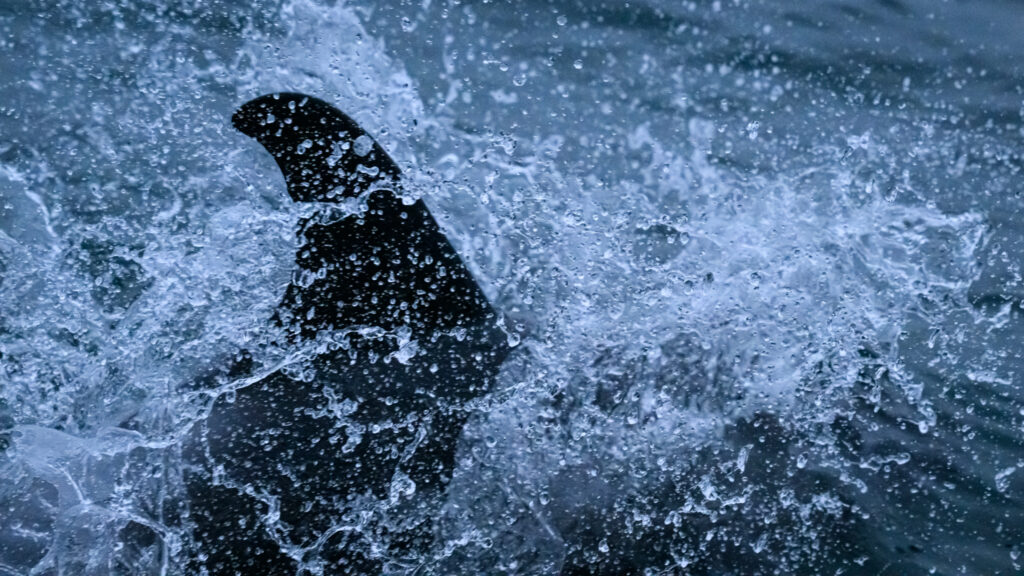
You’ve probably seen news articles about the pod of Pilot Whales that found themselves in the very out-of-range location of Amble, on the Northumberland coast, last Sunday.
The NEWT team were having a day out walking on the coast just north of there when they had a ‘phone call to say there was a group of at least 20 near the mouth of the river Coquet, so plans for the rest of the day were quickly abandoned and they found themselves on the top of a dune at Warkworth, then on the dunes at Amble Links, as part of a volunteer monitoring effort observing what turned out to be in excess of 40 whales.
Sadly, on Monday morning, a small number of animals were stranded/stranding near the southern tip of Coquet Island. Two were confirmed dead by marine mammal medics from British Divers Marine Life Rescue, and that total rose to six on Tuesday morning while Martin was on Amble quayside being interviewed for BBC Look North. That was followed by a trip to the BBC Radio Newcastle studios on Wednesday morning for another interview.
If you see an animal that is injured, distressed, stranded or entangled, do not approach it, touch it or attempt to return it to the sea. Please report the incident by calling the British Divers Marine Life Rescue hotline 01825 765546
In Scotland you can report a dead whale, dolphin, porpoise or seal to the Scottish Marine Animal Stranding Scheme by calling or texting 07979 245893 or emailing reports@strandings.org
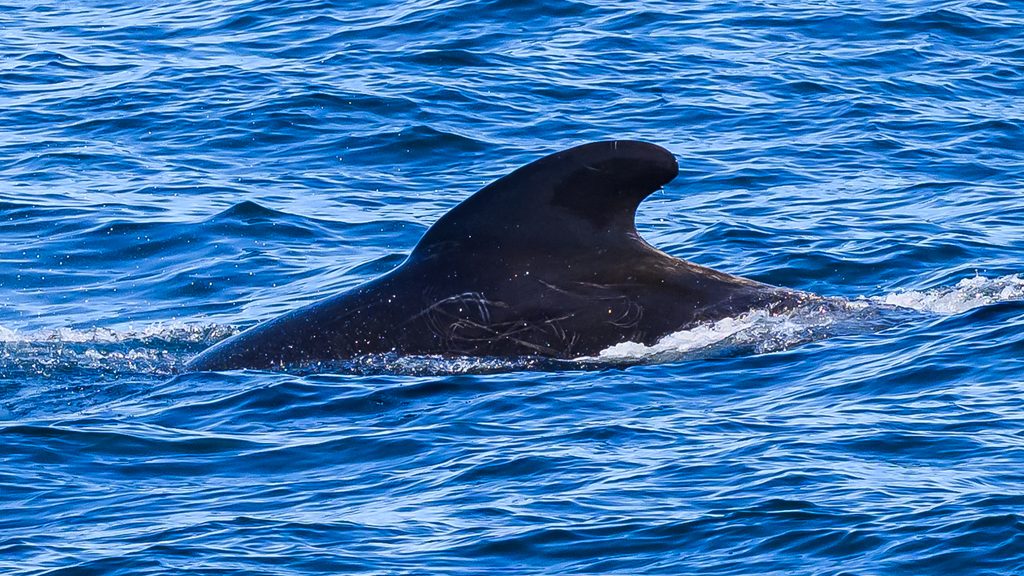
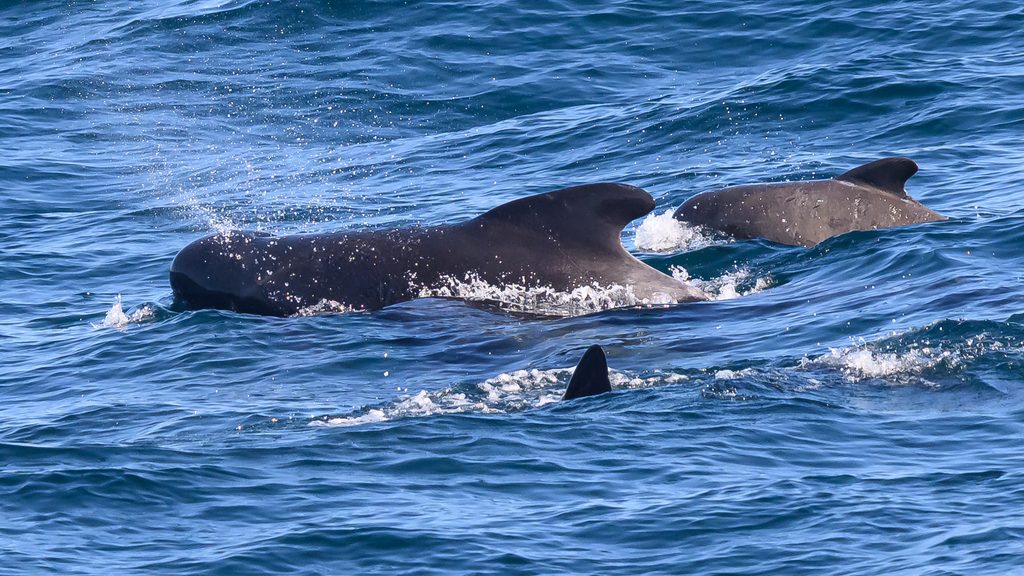
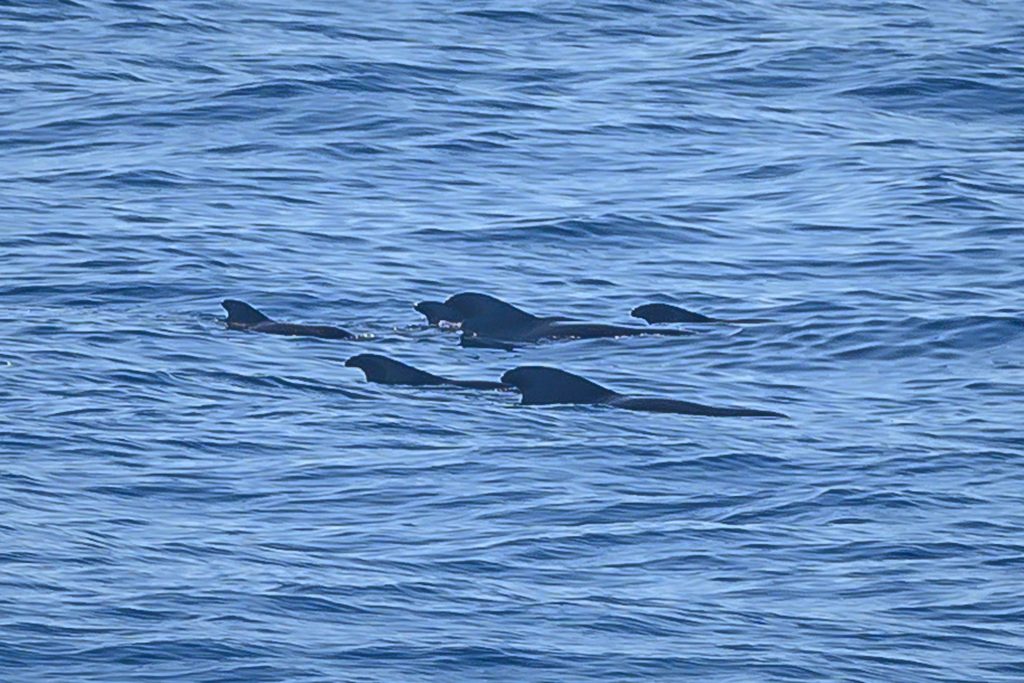
Long-finned Pilot Whale Globicephala melas, Iceland-Faroe Ridge 13/07/25 (c)NorthernExperienceImagesLong-finned Pilot Whale Globicephala melas, Iceland-Faroe Ridge 13/07/25 (c)NorthernExperienceImagesShort-finned Pilot Whale Globicephala macrorhynchus, Santa Cruz de Tenerife 11/01/25 (c)NorthernExperienceImages
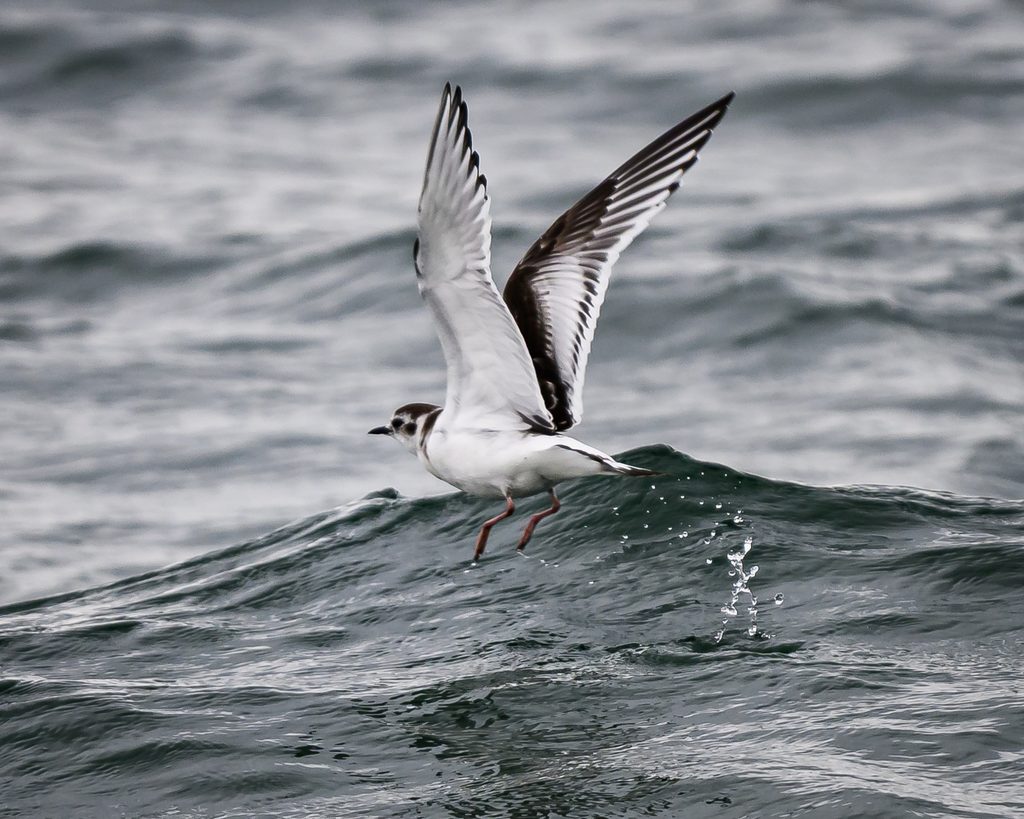
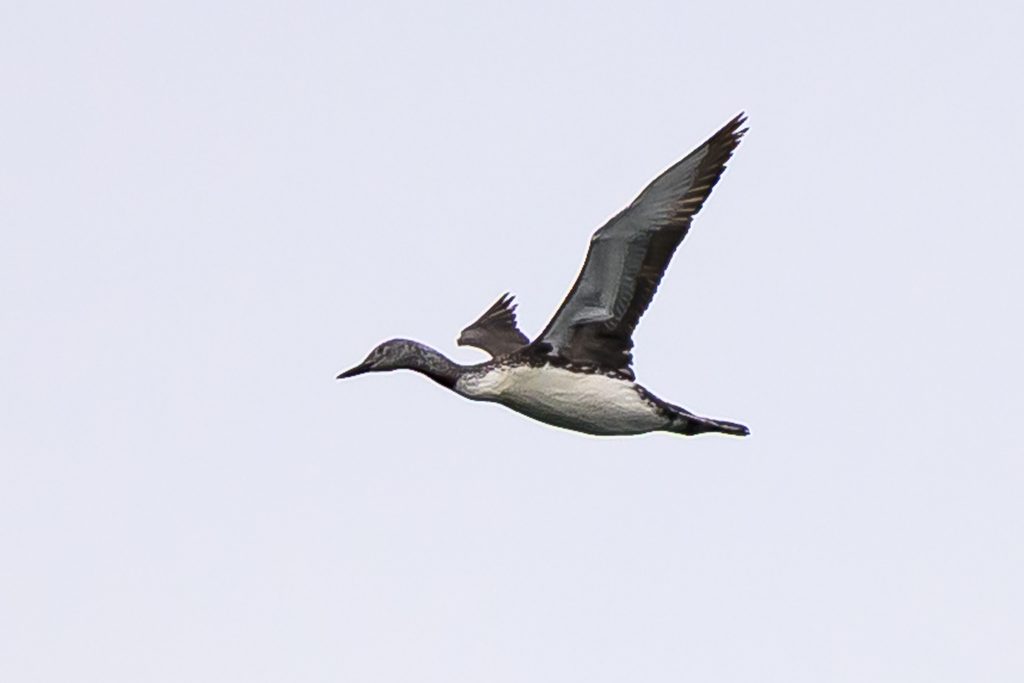
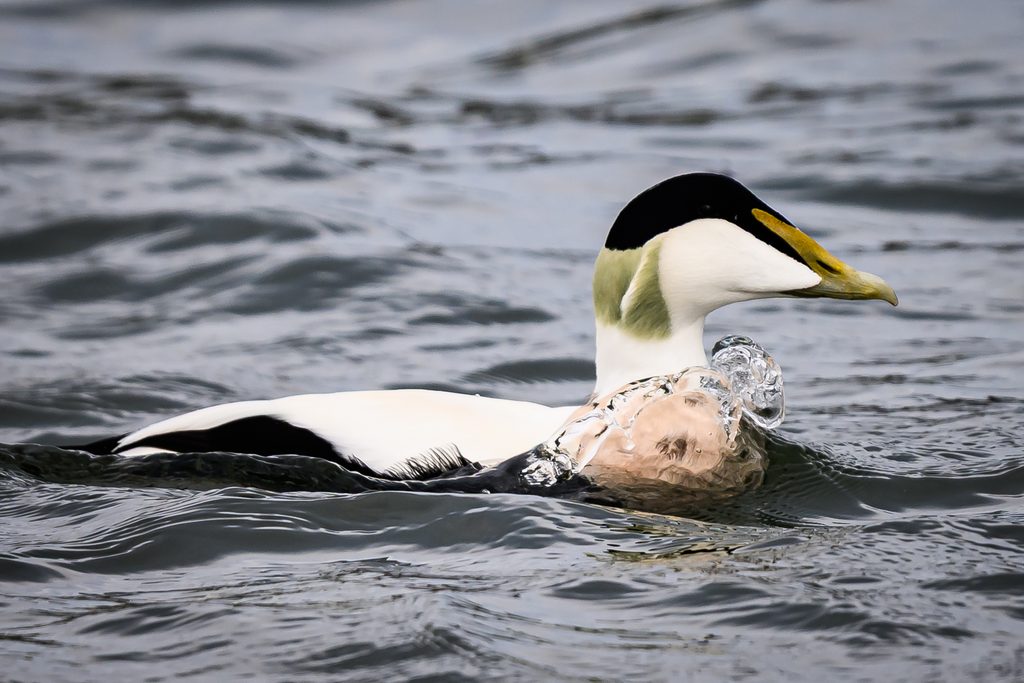
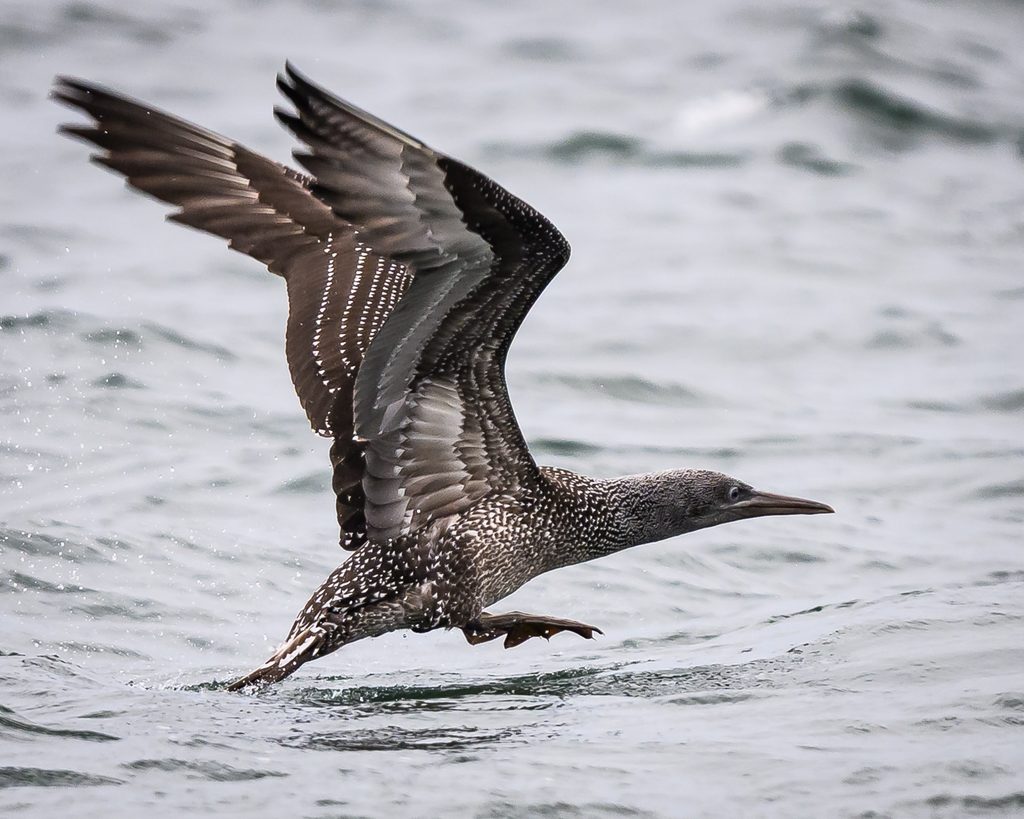
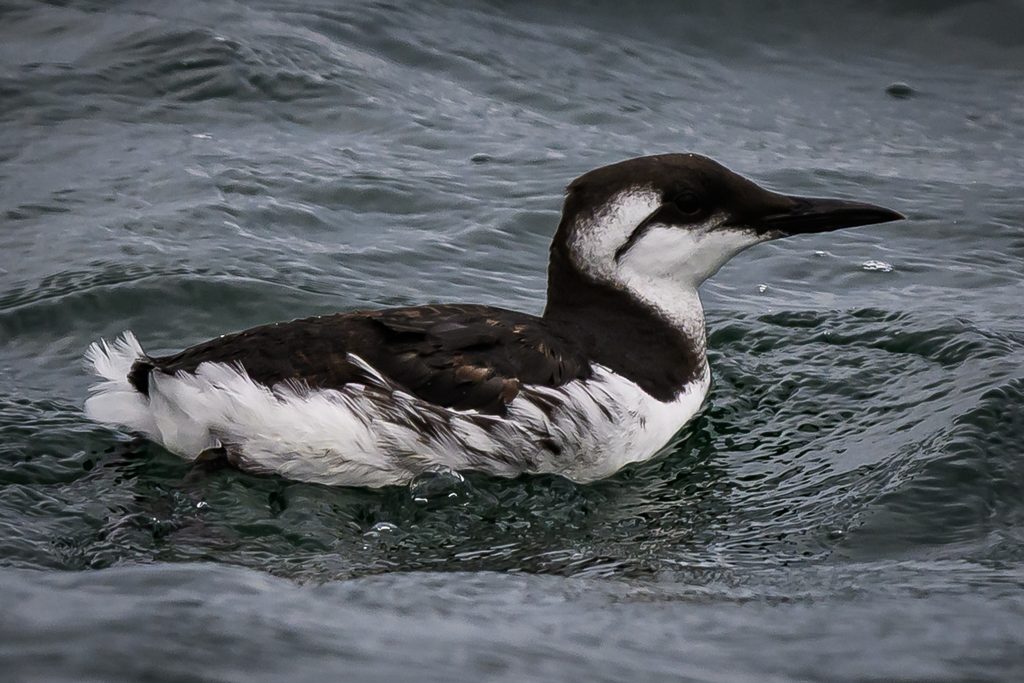
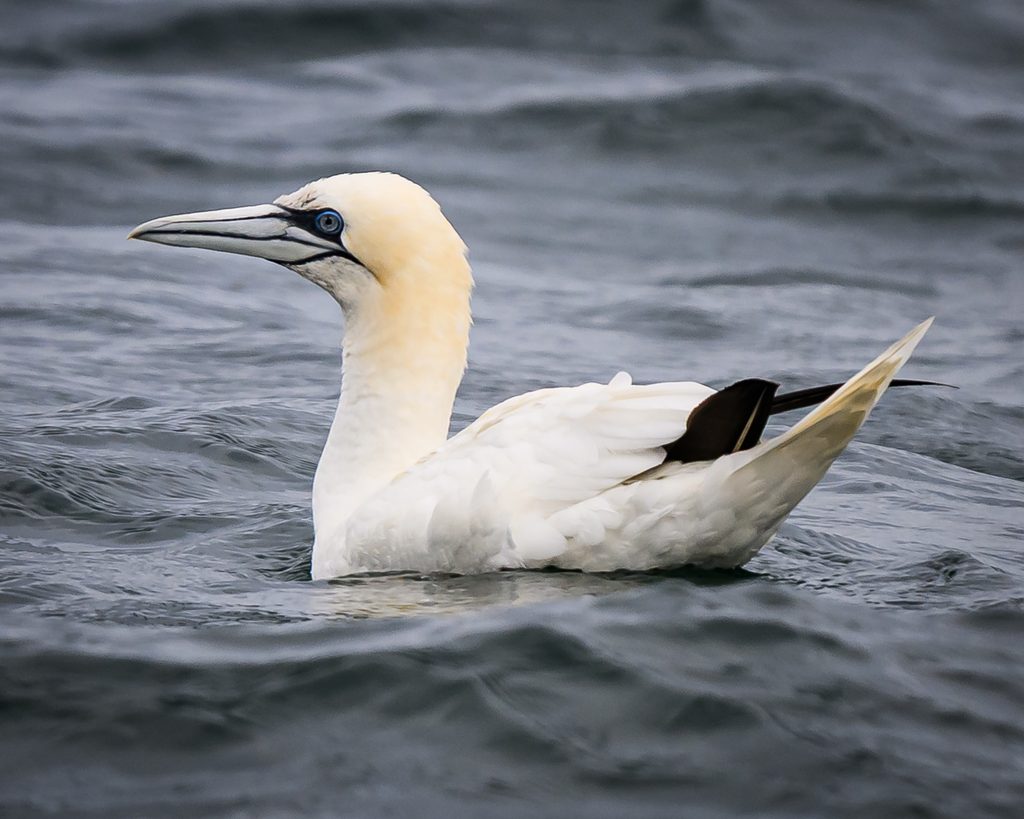
Yesterday we had our final scheduled pelagics for 2026 (although, watch this space…). On a breezy day, with a choppy sea once we were more than a mile from land, juvenile Gannets were demonstrating how they’ve not quite got the hang of ganneting just yet…while adults will circle repeatedly and locate prey before diving from height, the juveniles were often flopping into the sea from just a few feet 🙂 Guillemots and Razorbills were rafting, there was a steady passage of Red-throated Divers, dainty Little Gulls were dip-feeding everywhere from St Mary’s Island to Marsden Rock, Arctic, Pomarine and Long-tailed Skuas were heading north and ignoring the range of victims available to them over shoals of Herring, and Wigeon, Teal , and Common Scoter passed in flocks.
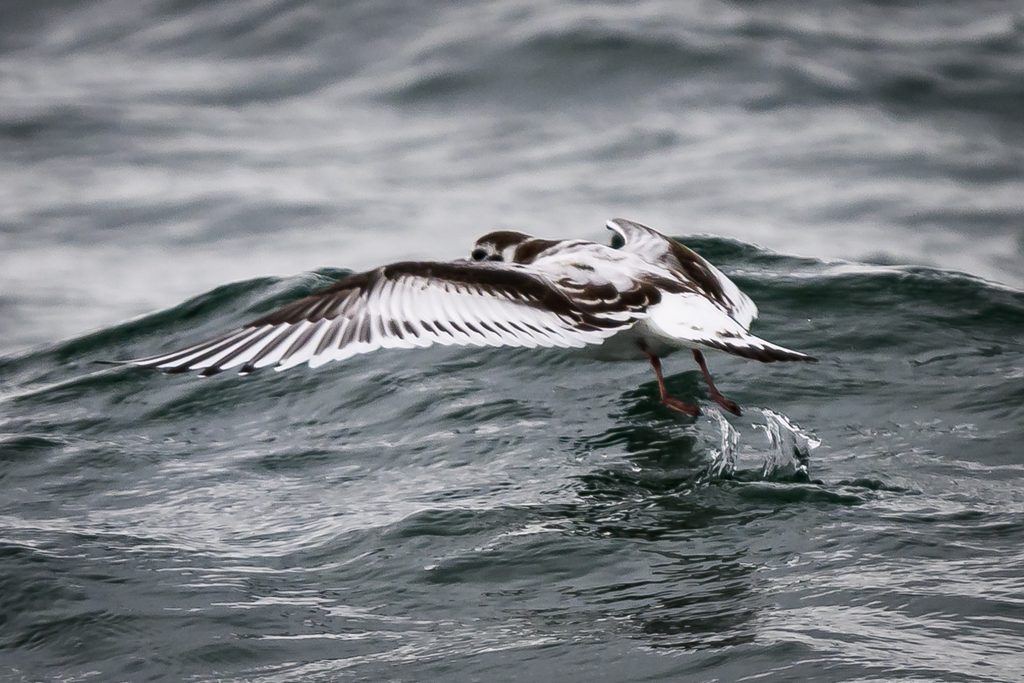
Little Gull Hydrocoloeus minutus, North Sea, off South Shields 25/09/26 (c)NorthernExperienceImagesLittle Gull Hydrocoloeus minutus, North Sea, off South Shields 25/09/26 (c)NorthernExperienceImagesRed-throated Diver Gavia stellata, North Sea, off South Shields 25/09/26 (c)NorthernExperienceImagesCommon Eider Somateria mollissima, River Tyne, North Shields 25/09/26 (c)NorthernExperienceImagesNorthern Gannet Morus bassanus, North Sea, Northumberland 25/09/26 (c)NorthernExperienceImagesCommon Guillemot Uria aalge, North Sea, Northumberland 25/09/26 (c)NorthernExperienceImagesNorthern Gannet Morus bassanus, North Sea, Northumberland 25/09/26 (c)NorthernExperienceImages
Only for this year, but our final pelagic of 2026 is this Friday afternoon (September 25th), departing Royal Quays Marina 13:30, and we’ve unexpectedly got two spaces available! First come, first served, and you can book your space by clicking the date on our website calendar 🙂
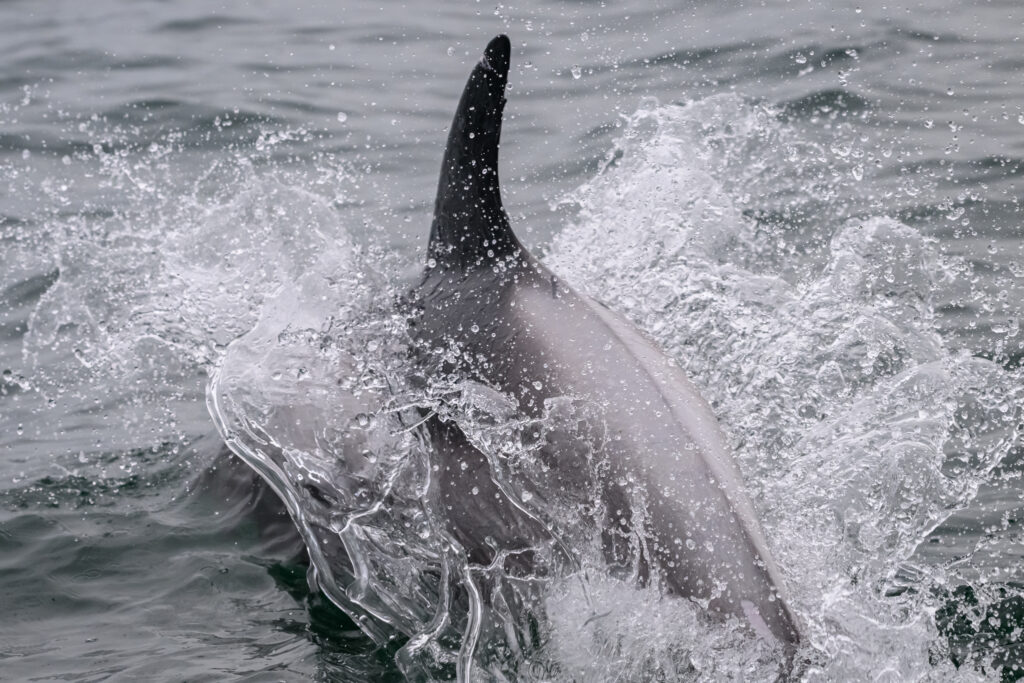
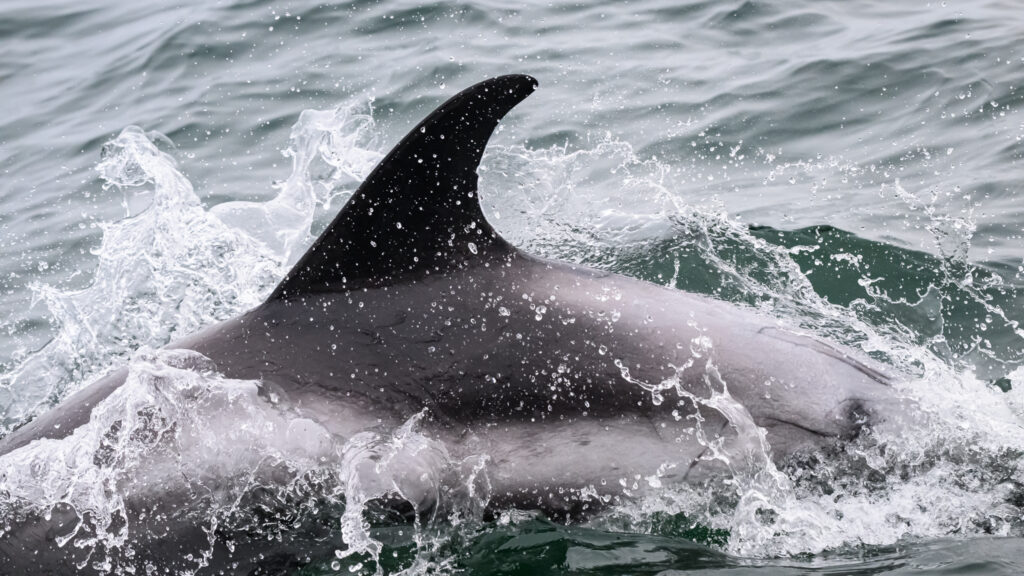
After a few late withdrawals, due to the alternative evening entertainment from Atlanta, we still managed to sail with a full boat. There had been a sighting of dolphins breaching out near the Tyne Anchorage, and at this time of year that would almost certainly mean White-beaked Dolphins! Heading along the Tyne, under leaden skies, we had an update…”There are dolphins just north of the piers now, I’m sure they’re White-beaks”.
As we left the river and scanned along King Eddie’s Bay and Longsands, there were ten or so White-beaks well dispersed and quietly feeding. One or two had a quick look at us before heading back towards the shore, and we drifted well away from them. We decided to head slowly southwards, and passed the dolphins who were now either side of the mouth of the Tyne. As we picked up speed they started chasing us down and then we had them bow-riding to Souter Lighthouse, where we also had brief views of three Harbour Porpoises 🙂
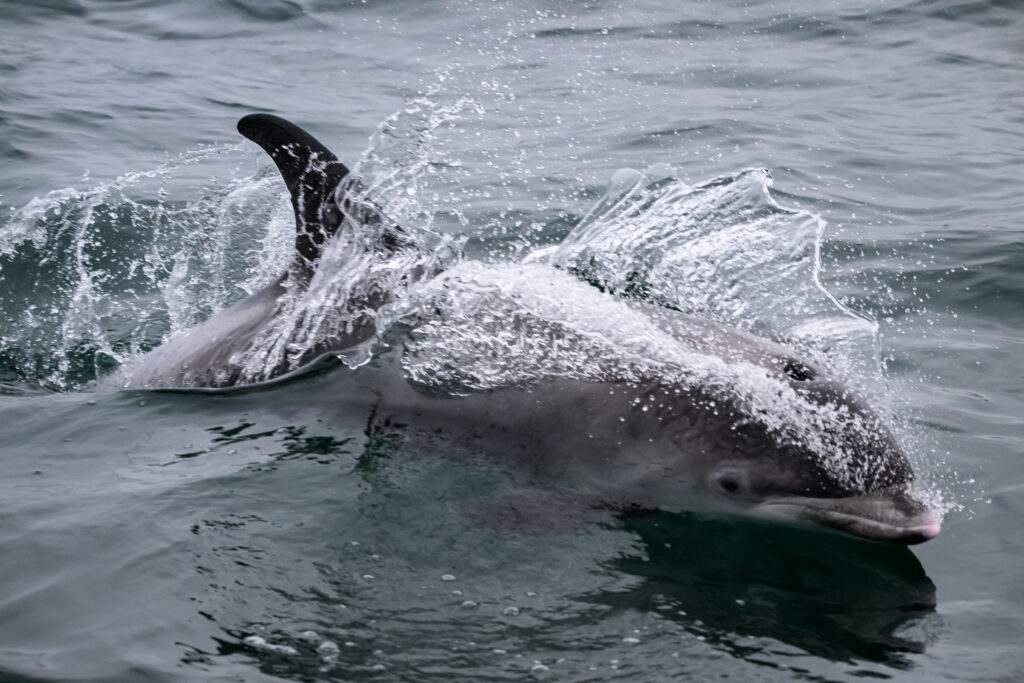
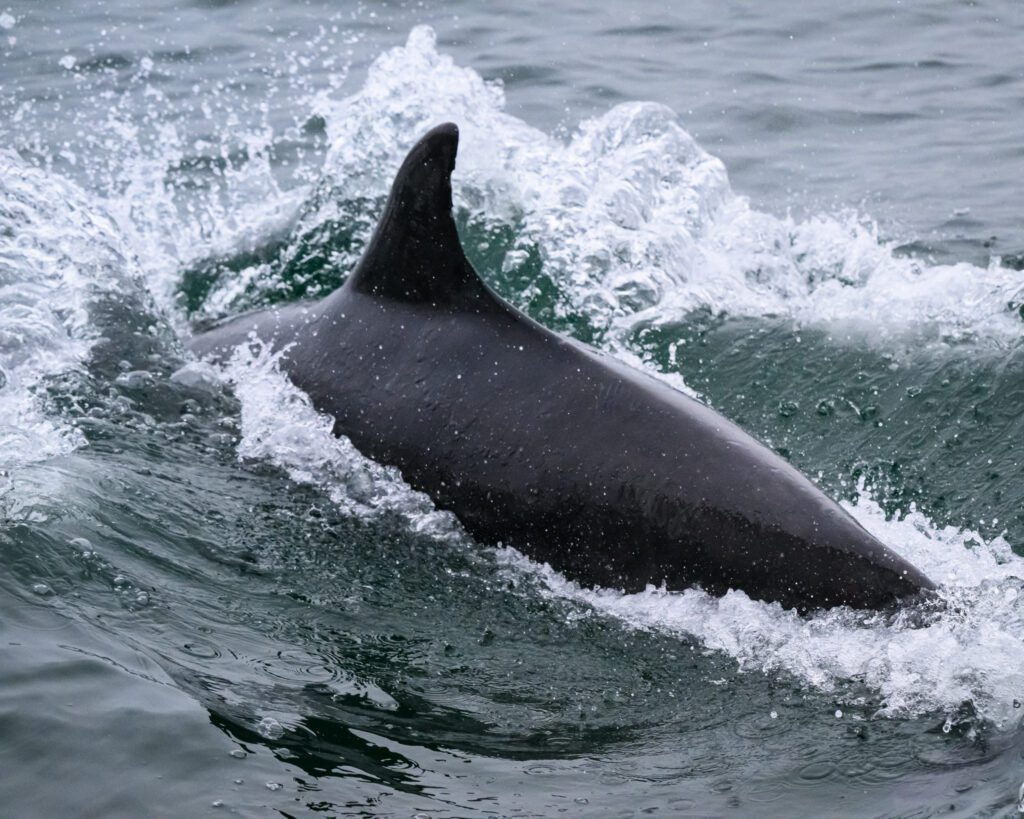
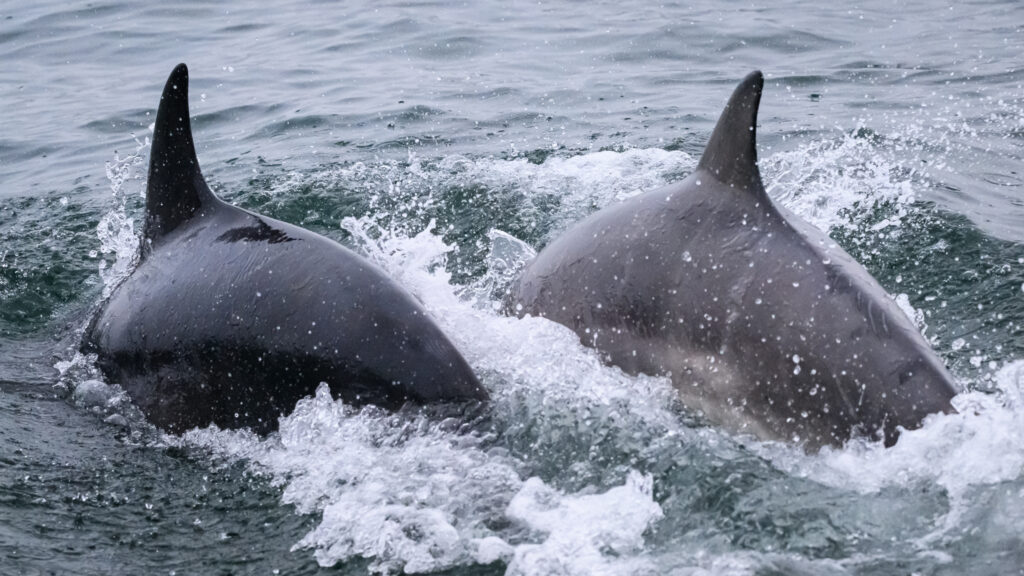
White-beaked Dolphin [Lagenorhynchus albirostris], off Souter, South Tyneside, 15/07/26 (c)Northern Experience ImagesWhite-beaked Dolphin {Lagenorhynchus albirostris], off Souter, South Tyneside, 15/07/26 (c)Northern Experience ImagesWhite-beaked Dolphin [Lagenorhynchus albirostris], off Souter, South Tyneside, 15/07/26 (c)Northern Experience Images
Suddenly, they all vanished. Our final sighting was one animal that had been bow-riding for ten minutes then disappeared with a vertical dive into the inky darkness below, just as someone spotted dolphins close to shore below the lighthouse. I lifted my binoculars and was surprised to see Bottlenose Dolphins heading south! We drifted for a few minutes without any further sign of them, then continued steadily towards Roker, where we were joined by six bow-riding Bottlenose 🙂
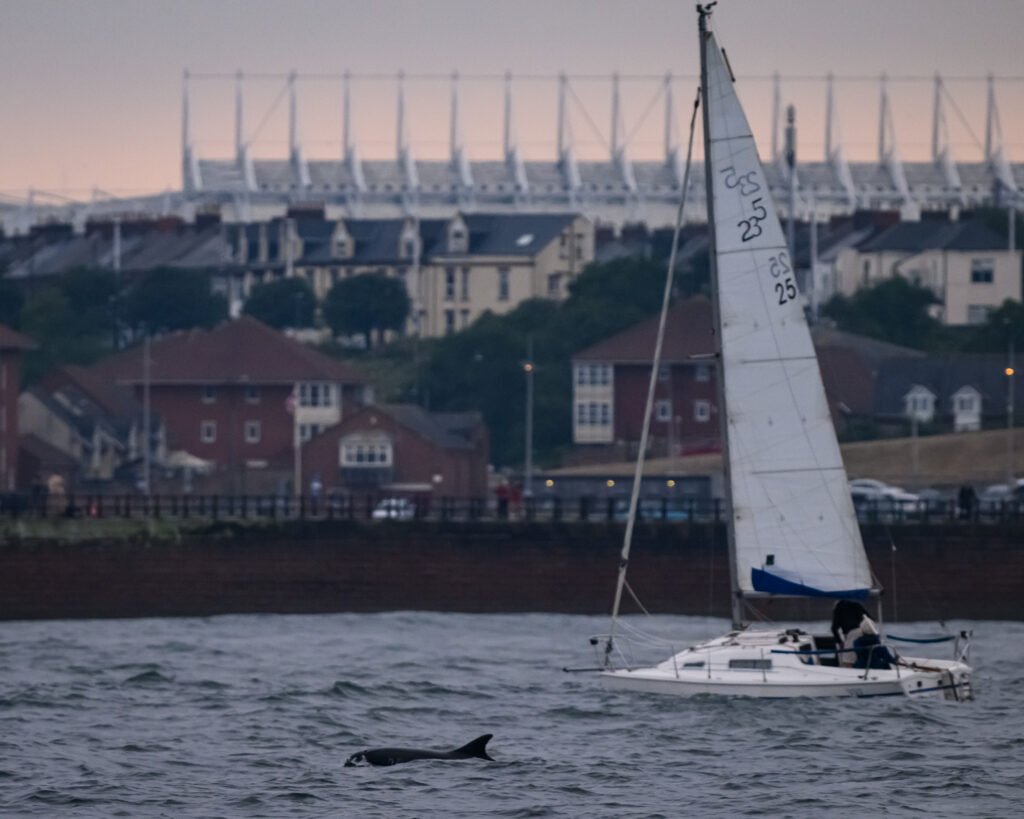
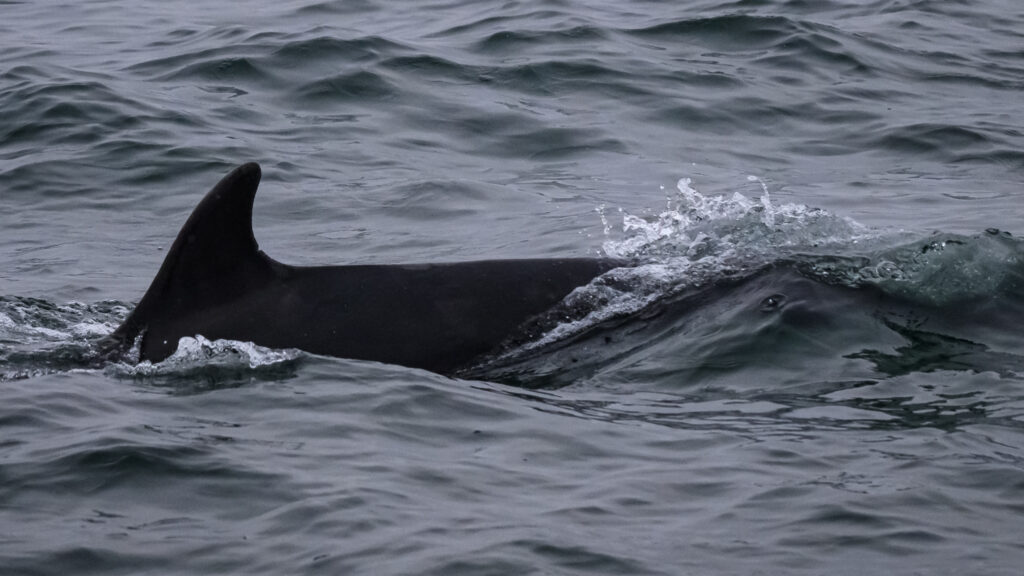
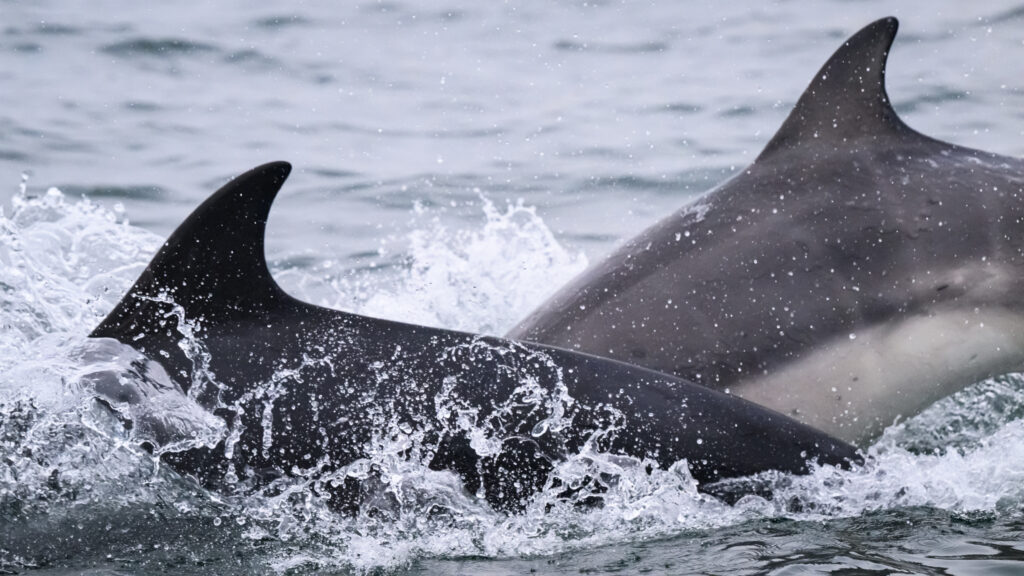
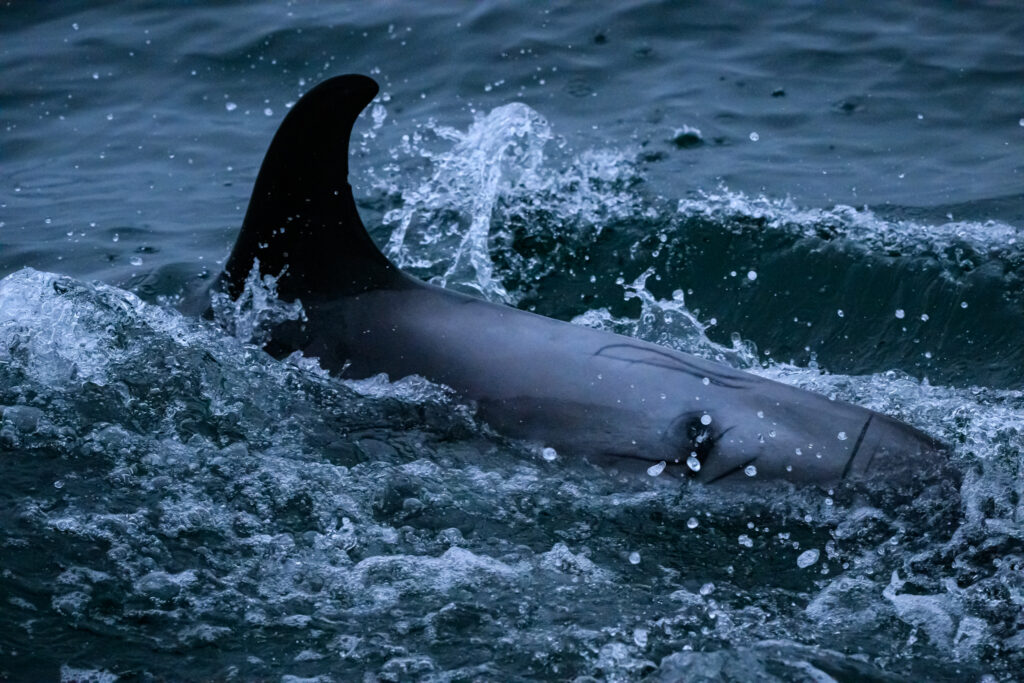
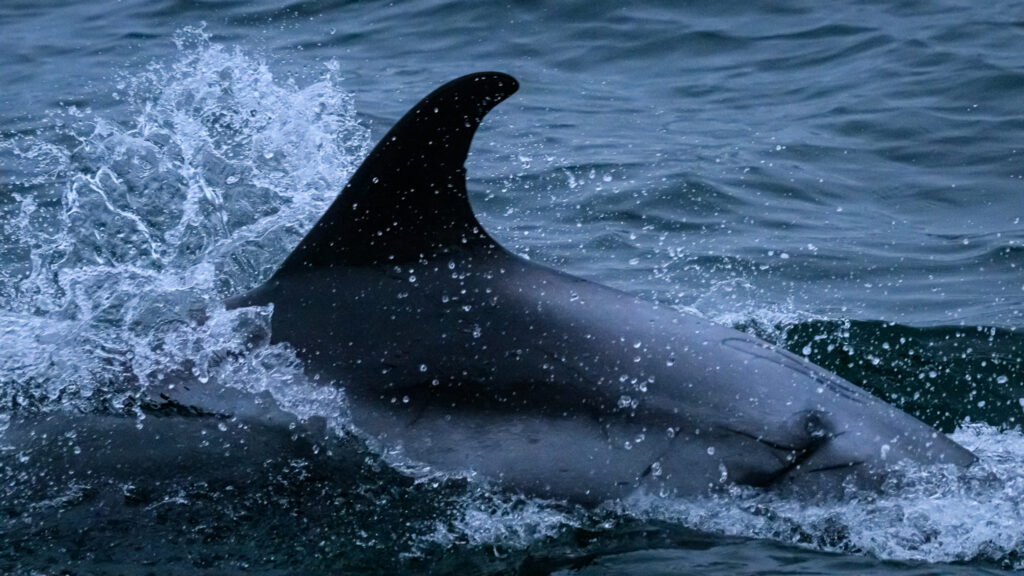
Bottlenose Dolphin [Tursiops truncatus], off Roker, 15/07/26 (c)Northern Experience ImagesBottlenose Dolphin [Tursiops truncatus], off Roker, 15/07/26 (c)Northern Experience ImagesBottlenose Dolphin [Tursiops truncatus], off Roker, 15/07/26 (c)Northern Experience ImagesBottlenose Dolphin [Tursiops truncatus], off Roker, 15/07/26 (c)Northern Experience ImagesBottlenose Dolphin [Tursiops truncatus], off Roker, 15/07/26 (c)Northern Experience Images
They eventually departed when we were off Hendon, and it was time for us to start heading back towards the Tyne. As we approached Marsden Rock another Harbour Porpoise was typically undemonstrative as it slowly surfaced, then the White-beaked Dolphins reappeared 🙂 The group included at least three mother/calf pairs, with one of the calves so small that it was possibly only a few days old! There was more bow-riding, in failing light and a deepening swell, and dolphins were still widely dispersed off South Shields as we made our way through the piers. Other than sailing along the Tyne, there were probably only 20 minutes during the entire evening where we didn’t have dolphins in view!
White-beaked Dolphin [Lagenorhynchus albirostris], off South Shields, 15/07/26 (c)Northern Experience ImagesWhite-beaked Dolphin [Lagenorhynchus albirostris], off South Shields, 15/07/26 (c)Northern Experience ImagesWhite-beaked Dolphin [Lagenorhynchus albirostris], off South Shields, 15/07/26 (c)Northern Experience Images
Most of our pelagic trips for the remainder of this year are already full, but we’ve just added some 4hr daytime sailings in September www.newtltd.co.uk/calendar. Bookings went live on Monday and they’re filling quickly, with only September 25th 09:00 having more than three spaces still available, so if you’d like to join us on the final day of Martin’s 30th season organising pelagic trips off the NE coast book soon!
Yesterday was our first mini-Safari this year, after filling the first three weeks of the year with stargazing events and all of the planning for other projects we’re going to be involved in this year, so it was great to meet up with Clare and Lisa, then Monica and Michael, for a few hours around our local patch…
The Wansbeck is a vast mudflat currently, and after a stop at the weir, where cormorant, little grebe and goldeneye were all feeding, we walked upriver to Castle Island. Scanning through the roosting gulls and dabbling ducks, a larger white bird was unhelpfully directly in the glare from the sun. There’s no mistaking the long thick legs and ruffled crest of a spoonbill though, and we found a spot where it was easier to see as it obligingly woke up, preened, looked around and then seemed to be on a mission as it marched along the muddy margins. Cormorants stretched, little egrets darted at small prey in the shallows, redshanks flew off calling, the eerie cries of curlew echoed along the valley and, uncharacteristically, a single fieldfare was hopping around a large paddock.
As dusk approached only five starlings appeared at a regular roost site as lapwings were scattered by a sparrowhawk and then teal and wigeon took to the air as a juvenile marsh harrier drifted over. Competing against the spoonbill in the hairstyle stakes, red-breasted mergansers paraded in front of us and the harrier reappeared…accompanied by a second juvenile, and then a male harrier joined the party and started talon-grappling with one of the juveniles as a Cetti’s warbler delivered it’s explosive calls from deep in the reeds and Jupiter shone through the evening twilight.
The time of year when we have to start mini-Safaris early afternoon always seems to creep up before unexpectedly arriving.
I met up with James, Michael and Colin ahead of an afternoon around Druridge Bay searching for otters and our first site had played host to four of them earlier in the day! Regular ripples of panic spread through the wigeon out on the water and that turned into terror as a juvenile marsh harrier made it’s way up and down both sides of the water. A little egret flew over a wader roost that was mainly common redshank, with a sprinkling of turnstones and a couple of common snipe. Our second site for the afternoon had at least two marsh harriers, including the same juvenile we’d seen earlier, and as pink-footed geese yapped overhead, water rails squealed, a Cetti’s warbler belted out it’s song and starlings blew past like leaves on the wind, the flocks of coot, mallard, wigeon, shoveler and gadwall kept nervously moving away from one reedbed as roe deer grazed near the water’s edge and dusk took hold of the little remaining daylight.
It was another busy summer out on the North Sea, searching for whales, dolphins, porpoises and other marine wildlife. It was an incredibly successful season too, with a substantial majority of our sailings encountering cetaceans 🙂 Here’s a selection of images from early July to late September…
We’ve arranged most of our sailings for 2022, and we’ll be making online booking available from early next week
It’s been an incredibly busy summer and autumn for NEWT. After a long challenging time for small businesses since March 2020 we suddenly found ourselves under a deluge of work. Martin’s been leading wildlife and photography holidays for two other companies as well as guiding our safari trips and pelagics and leading events at the award-winning Battlesteads Observatory.
Our safari trips over the last few months have concentrated on the Druridge Bay area, with marsh harrier, little egret, roe deer and a selection of waders and wildfowl all featuring regularly, alongside an ever-increasing starling murmuration, hunted incessantly by sparrowhawks, occasional appearances by barn owls and, in the last month, yapping skeins of pink-footed geese speckling the sky as dusk approaches. Family mini-Safaris focused on the smaller creatures, with spiders. dragonflies and banded snails all watched with fascination by the younger participants on our tours, and we’re adding rockpooling activities as an option to next year’s family bookings.
We’ll be posting a gallery of images from our 2020 pelagic season shortly, as well as posts about our three tours/workshops already this week!
One thing that’s always impressed me about wildlife is the almost constant effort needed just to stay alive, contrasting with the technologically advanced, comfortable, lives that many of us lead…
I met up with Cath, Andy, Beth and Dan for an evening around Druridge Bay, and the weather was pleasant…particularly compared to what was forecast for the next few hours! Mute swans were feeding unhurriedly, grey herons were stalking along rushy edges, black-tailed godwits were wading and probing, and bumblebees were shifting position to take shelter underneath teasel heads – often a sign of a drop in temperature and approaching bad weather. Swallows, martins and swifts were hawking insects as a lone ruff flew through.
As the wind started to pick up, and the first of several heavy showers passed through, a great crested grebe with a single juvenile aggressively evicted a little grebe, also with a single juvenile, from a prime patch of amphibious bistort, as cormorants sat motionless, two Arctic skuas muscled their way into the stiffening breeze, and Sandwich, common and Arctic terns obligingly lined up alongside one another like an animated field guide to separating confusion species 🙂
Seven starlings was a start to a murmuration that eventually built to several hundred birds, as three marsh harriers went to roost and a sparrowhawk pestered and pursued the starlings repeatedly. We saw it pass by at least a dozen times without any apparent success by the time the starlings had all settled into the reeds, expending vital energy in a late evening attempt to feed before nightfall.
Wednesday’s 4hr pelagic had a forecast that promised rain, although we only had a few drops, and it took just a few minutes for our first cetacean to appear as a harbour porpoise crossed the mouth of the Tyne in front of us. 90 minutes of intense scanning eventually produced bottlenose dolphins off Whitley Bay and they swam alongside us for an hour as we headed slowly south, finally leaving as we passed the mouth of the river again. On a glassy sea we headed beyond the Tyne and with conditions so perfect I spotted fins that were 2nm ahead of us…and then the white-beaked dolphins appeared 🙂