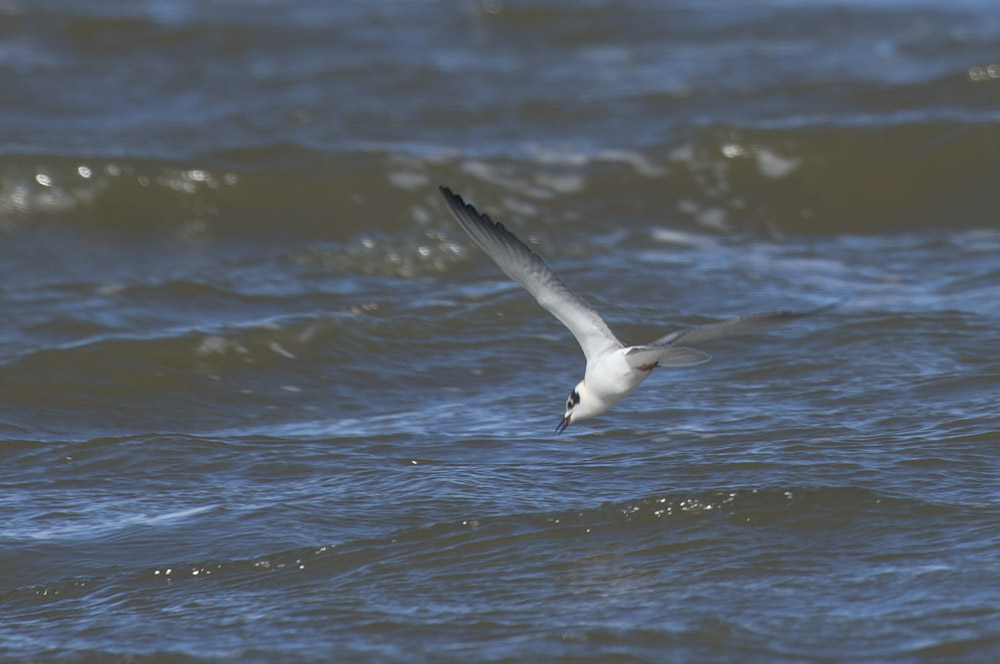
Tag: Greenshank

  • Avoiding

    As I collected Claire and her mum from Alnwick for an afternoon around Druridge Bay and set off on an exploration of Druridge Bay and southeast Northumberland, they mentioned that they were going to watch the Wimbledon Men’s singles final on iPlayer once we finished for the day, so it was important to avoid finding out the score. I’d done something similar myself back in 2009, on the final day of the Premier League season – including extending a safari day and not switching the radio on once I’d dropped my clients off.  The outcome on that occasion was that I indirectly learned the fate of Hull City, the team I’ve supported since I was very young, when I drove through Amble and the beer garden at the Wellwood was filled with Newcastle United supporters with their heads in their hands…

    Birdwatching in the stunning weather produced two Little Egrets, a species I haven’t seen for a few months, and 24 Black-tailed Godwits – that most elegant of waders.  Canada and Greylag Geese were on edge, but whatever was agitating them remained hidden deep in the reeds.  The godwits were eventually disturbed by a complete idiot who seemed to think that flying low over a nature reserve in a paramotor is an ok thing to do.  Now, I know it can’t be easy when you’re hanging under a parachute with a desk fan strapped to your back but it’s incredibly irresponsible to disturb wildlife in a nature reserve in that way.  You may think you’re some sort of modern day James Bond, or Milk Tray man, but you aren’t – you’re like a parody of the Wacky Races.  There, I feel much better now 🙂

    As we continued down the coast we had a near miss with the tennis score.  I was getting our telescope out of the boot, and the ladies were still at the front of the car, when someone parked just behind us told his family the latest score as they walked up from the beach.  Little Gulls, Redshanks, Curlews, Lapwings and a Greenshank were all lazing in the baking heat of the mid-afternoon, and both male and female Marsh Harriers drifted menacingly over the reedbeds.

    Heading back towards Alnwick, surely we’d avoided hearing the outcome of the tennis?  As we drove through Warkworth, it was fortunate that I was the only one to notice that one of the pubs had the score written on it’s blackboard standing on the pavement 🙂

  • Wildlife in the heat of the summer; Otter Safari 06/07/13

    After an enjoyable few hours watching the British & Irish Lions demolition of Australia, I loaded up the car, collected our picnics from The Swan and headed north to collect Jacky and Marcus from their holiday accommodation at the stunning St Cuthbert’s House.  A quick drive back down the coast and we collected Alice and John and embarked on our search of Druridge Bay, southeast Northumberland and the Northumberland coast.

    I’d identified a site where Otters have been active in the late afternoon, so that was our first port of call.  With Common Terns dip-feeding just in front of us, Canada and Greylag Geese with goslings, Gadwall with ducklings and lots of Sand Martins and Swallows there was plenty of birdwatching interest as we waited in hope for the possible appearance of our target species for the trip.  Jacky’s excited comment “there’s a…yes, it’s an Otter” marked the start of nearly an hour of Otter activity.  The initial animal turned out to be two together, and then eventually we were watching four of them as they swam back and forth, feeding, clambering on poolside rocks and play-fighting 🙂

    Lapwings, Curlew and a Greenshank were all evidence of post-breeding gathering/migration, Starlings were grouping into larger flocks as daylight faded, Sand Martins were swirling in a big pre-roost flock, a Barn Owl drifted on silent wings over a reedbed and, as the falling light levels finally rendered everything as a silhouette we headed back to the car with pipistrelles hawking just over our heads.

  • Wading through August

    August is always a stressful month for NEWT.  As well as leading our regular safari days, it’s British Birdwatching Fair month, and the week leading up to the Bird Fair is always frantic; checking that we’ve got everything for the stand, mounting a new series of limited edition prints for sale, liaising with all of the other Birdwatching Northumberland partners to make sure that everybody knows exactly which aspects of the project they’re  responsible for, and making sure that we’ve got a supply of local beer for the 4pm ‘free bar’ on our stand 🙂

    Then, after a busy three days, it’s all over and we head north…this year to the thankfully cooler temperatures of Northumberland.  From leaving Rutland at 6pm on Sunday to arriving back in Northumberland just after 10pm, the temperature drop was an impressive 14C.

    Yesterday was our first post-BirdFair trip, a day of birdwatching around Druridge Bay and southeast Northumberland.  I collected Alex from Church Point, and we started with a good scan of the beach. 4 Mediterranean Gulls were close by and a small group of waders contained Oystercatcher, Common Redshank, Sanderling and Ringed Plover. Waders proved to be a theme for the day and we added Common Sandpiper, Spotted Redshank, Lapwing, Ruff, Dunlin, Knot, Curlew Sandpiper, Curlew, Greenshank, Black-tailed Godwit, Turnstone, Wood Sandpiper, Common Snipe, Golden Plover and Avocet to the day list as we made our way around NEWT’s local area.  With an impressive supporting cast that included Water Rail, 3 Little Egrets and a Spoonbill it was a great day to be watching the edges of our local ponds, and a real education in just how much inward and outward movement of birds there is from the feeding and roosting wader flocks that grace southeast Northumberland at this time of the year.  It was a great day too, to appreciate just how friendly and helpful local birdwatchers are in Northumberland – many thanks to Len and Gill for pointing us in the direction of the Wood Sandpiper, and Gill’s sharp eyes picked out the Spotted Redshank which then vanished without trace soon after being found and appreciated 🙂

  • Autumn winds

    Thursday afternoon found me leading an afternoon of birdwatching, and searching for Otters around our local area; Druridge Bay and southeast Northumberland.

    I collected Ruth and Margaret from the Swan at Choppington and we drove the short distance to Newbiggin to collect Mike and Maggie (for their second trip with us this week), Ben and Siobhan.  A ghostly white Mediterranean Gull drifted by the car before we headed north.  The River Coquet produced one of my own favourite wildlife experiences as we watched Salmon leaping, and Cormorants, Grey Herons and Goosanders fishing.  Lapwings, Redshank, Curlew and a Greenshank all flew by and, after enjoying our lunch by the river, we headed down the bay.  East Chevington produced lots of Knot, Dunlin, Ruff, Lapwing, Curlew, Golden Plover, Pintail, Goldeneye, Tufted Duck, Pochard, Gadwall, Mallard, Teal and Wigeon and our next stop was Cresswell.  Along the hedge leading down to the hide there were at least 8 Goldcrests, and from the hide there was another nice wader roost.  As well as the species we’d already seen at East Chevington there was a single Black-tailed Godwit, plenty of Turnstone and 2 Purple Sandpipers.  As the sun began falling towards the horizon, we settled into position to search for Otters.  Flocks of Pink-footed Geese filled the sky to the north and a Daubenton’s Bat moved back and forth over the water. All of the signs were there; ducks, Coots and Swans moving en masse from one spot to another, nervously moving back before reversing direction again and, successive groups of birds across the water exploding into the air in a state of panic.  The only thing that didn’t happen, was the Otter coming out into view!  Still, with a success rate of 75% on Otter Safaris since mid-April, we’re always optimistic whenever we go in search of them.

  • Crossing the causeway

    In what appeared to be worsening weather, I drove north to Bamburgh to collect Lyndsey and Petter for their Lindisfarne Safari…and then things improved dramatically, with warm sunshine tempered by a cool southerly breeze 🙂  We started in the shadow of Bamburgh Castle, with Common Eider on the water, Turnstones on the rocks and Sandwich Terns and Gannets fishing just offshore.  A stop at Budle Bay revealed a Greenshank amongst the masses of roosting Redshank and we continued to Holy Island itself.  Waders continued to be the theme of the afternoon, with Ringed Plover, Golden Plover, Dunlin, Curlew and Lapwing all either roosting or feeding on the mudflats close by and Whimbrel calling as they passed through.  As the tide fell, Grey Seals could be seen hauling themselves out of the water, ‘bottling’ in the afternoon warmth, swimming along with a remarkable turn of pace for such big animals, and splashing around like kids in a paddling pool.

    Late August, sunny weather, masses of visitors on Holy Island…and the wildlife is still as good as ever 🙂

  • White is the new Black

    We had back-to back birdwatching trips earlier this week, covering two of our favourite areas.

    On Tuesday afternoon I collected Keith and Jen from home in Monkseaton and we headed northwards up the Northumberland coast.  Our destination was the Holy Island of Lindisfarne, one of the birding hot-spots of the entire country.  The strong winds were the only downside to the afternoon, but the birdwatching was good.  After checking out a large group of Grey Seals we covered the area around the harbour and the Rocket Field.  Bar-tailed Godwits, Common Redshank and lots of Ringed Plover were along the shoreline and a delightful charm of Goldfinches were around the Heugh.  A distant group of Lapwings, Starlings and Golden Plover took to the air and the cause of their alarm was glimpsed briefly, although too briefly and too distant to make a positive ID.  Holy Island birdwatching stalwart Ian Kerr put us on to a Little Stint and, as we headed back through the village, groups of Golden Plover passed overhead.  Re-tracing our route back down the coast and checking the Budle Bay on the rising tide, we were just discussing the indications of the presence of predators when a huge number of birds lifted from the mud.  As well as the gulls and waders, Jackdaws, Rooks and Woodpigeons joined the throng as they came out of adjacent fields and trees.  This time the culprit was seen and identified; a Peregrine, that most majestic of raptors and one of the highlights of any birdwatching day on the Northumberland coast in the autumn and winter.  A quick seawatch produced Sandwich Terns feeding, and Gannets soaring effortlessly on the breeze.

    Wednesday was a full day out around Druridge Bay and Southeast Northumberland.  I collected Jayne and Andrew from Seahouses, and then Hilary and John from Alnmouth, before beginning our tour of some of the best birdwatching spots in our local area.  While we were watching Lapwings, Redshanks, Greenshanks, Ruff, Herons and Cormorants on the River Wansbeck I could hear a rough ‘sreee’ call from high overhead.  The strong breeze meant that it wasn’t straightforward to locate the bird, but eventually I picked it out.  It was an unfamiliar call, but a familiar species; a juvenile Common Cuckoo.  The walk back along the river produced a nice flock of Long-tailed Tits.  After lunch we stopped off at Cresswell Pond.  Hilary and John mentioned that they’d visited Cresswell once before – when they noticed a large group of birders and stopped, managing to see a Buff-breasted Sandpiper.

    Northumberland birdwatching following the floods of September 2008
    Buff-breasted Sandpiper and Ruff, Cresswell Pond, Northumberland 12/09/2008
    With luck like that, we joked about what this visit could produce...

    When we arrived at the hide, Jaybee mentioned that he’d had a juvenile Sandwich Tern.  I scanned the pond but couldn’t see the tern anywhere and we settled to enjoying the quite remarkable views of Common Snipe that were available.  After checking through the assembled ducks, gulls and waders I scanned across the pond again and spotted a tern dip-feeding near the causeway.  The bird’s behaviour, combined with it’s very dark back, white rump and silver-grey wings caused me to get rather excited.  White-winged Black Tern is a very special bird, and a personal highlight as it’s the third Chlidonias tern that I’ve found in Northumberland.  Whiskered Tern is very rare and Black Tern is always a nice bird to see but White-winged Black Tern is such a beautiful species.  Jaybee kindly sent me some images to use 🙂

    White-winged Black Tern, a Northumberland birdwatching highlight 15/09/2010
    White-winged Black Tern, Cresswell Pond, Northumberland 15/09/2010
    Highlight of a day birdwatching on the Northumberland coast 15/09/2010
    White-winged Black Tern, Cresswell Pond, Northumberland 15/09/2010

    White-winged Black Tern, Northumberland, Birdwatching
    White-winged Black Tern, Cresswell Pond, Northumberland 15/09/2010
    As other birders began to arrive to enjoy the fruit of our good fortune we continued up the coast.  Eiders and a Goosander, as well as some very obliging Grey Herons, were seen as we stopped by the River Coquet.  A superb couple of day’s birdwatching, a beautiful rarity and clients who were excellent company.

  • Busy birdwatching

    Even though we live in southeast Northumberland, we’ll never tire of getting out and about searching for new experiences for our clients.  Days out with clients are always exciting as well, because we never know exactly what we’ll see or what it will be doing.

    Last Thursday we had a Southeast Northumberland/Druridge Bay safari with clients from a fairly wide geographical area; Jeff and Jean from Huddersfield, Lawrie and Linda from Glasgow and Yvonne from southwest Northumberland.  Starting at Newbiggin we managed a brief view of a Mediterranean Gull on the beach, and a small flock of Sanderling.  These little grey, white and black ‘clockwork toys’ are always entertaining as they scurry back and forth along the water’s edge.  The River Wansbeck was our next destination.  As expected there was a good sized flock of Lapwing roosting and Cormorants and Herons were doing what they do; standing with their wings out and just sort of standing respectively.  All of a sudden a wave of panic spread through the Lapwings.  We all scanned backwards, forwards, skywards but couldn’t see any cause.  Perhaps it was just a false alarm?  The birds settled but were up again within a minute, gradually settling back down with a great deal of conversation between them all.  Greenshanks flew by calling and the Lapwings were becoming increasingly jittery.  Even birds from distant streams were high in the air, forming the quite tight flocks that indicate the presence of a predator, something that creates anticipation wherever we’re birdwatching.  Eventually we found a distant Peregrine, and a big female Sparrowhawk slid menacingly through the trees opposite our watchpoint.  One or both of them was presumably the cause for concern.  Even the Great Black-backed Gulls flushed and flew overhead, giving calls of consternation.

    Among the coastal waders, perhaps the best were three Common Snipe, unusually confiding and just a few metres away from us.  The fall of passerine migrants earlier in the week had left a few goodies behind.  Spotted and Pied Flycatchers were quite elusive, sallying forth and then back into cover, Willow Warblers and Chiffchaffs were picking their way through willows beside the path and, providing a visual feast to rival the gaudiest of birds from elsewhere in the world, six male Common Redstarts were along one short stretch of hedge.  There really is little to rival the beauty of these birds.

    At the conclusion of our journey up the coast a bird as lacking in colour as the Redstart is bathed in it was a final wonderful sighting.  As we watched two Grey Herons perched in trees overhanging the River Coquet, a Little Egret flew by before returning and perching high in the treetops in a spot where we could watch it through the ‘scope.  There can’t be many better places to be birdwatching than the Northumberland coast in September 🙂

  • Whistle while you work

    Yesterday was one of what are rapidly becoming our favourite trips; afternoon/evening safaris.  I collected Claire and Stuart from their holiday cottage near Brinkburn Priory and we headed towards the coast.

    Our regular Little Owl watched us imperiously, before turning tail and scuttling out of sight as a dog walker came along the track.  The coastal pools along Druridge Bay are hosting an ever increasing number of waders; Dunlin, Turnstone, Redshank, Knot, Ruff, Oystercatcher, Lapwing, Common Sandpiper and Curlew were all roosting, a Spotted Redshank called but remained frustratingly out of sight behind a reedbed, and Greenshank and Whimbrel both responded to imitations of their calls.  Then, that most majestic of waders graced the air in front of us, although only briefly; a Black-tailed Godwit flew low over the roost, everything panicked, and a Peregrine carved through the flock before heading out over the sea and then away high to the north.  Little Grebes and Grey Herons were both well appreciated, then it was time to check some of southeast Northumberland’s finest mammal sites.

    Red Squirrels always go down well with our clients, and the one we watched feeding was no exception.  A juvenile Great Spotted Woodpecker was equally obliging and we watched it for a while before moving on to our favourite site for Badger watching.  Probably the biggest Badger we’ve seen so far trotted across the hillside opposite us and a much smaller animal (maybe a young cub) made it’s way through the undergrowth just over the stream from our position.  As darkness approached we found ourselves on a hilltop with a Tawny Owl calling ‘ke-wick’ from the woodland below us.  After whistling at waders during the afternoon I imitated the quavering hoot of a male Tawny Owl and waited.  The bird called from closer.  I called again, and it came closer still.  Eventually it flew up into a bare tree, silhouetted against the final glow of daylight in the sky, only 20m away from us.  I switched to copying the bird’s ‘ke-wick’ call and it turned to face us directly, ready to challenge this impertinent intruder.  I remained silent, not provoking any further response, and the bird flew to a nearby tree, screeching defiantly as we made our way back down the hillside.  Common Pipistrelles and Daubenton’s Bats were picked up on the bat detector and seen as they flitted back and forth.  The final wildlife of the evening though was close to the cottage at Brinkburn, and was another piece of Northumberland magic; a doe Roe Deer and her fawn ran along the road in front of us.

    As Autumn approaches evening safaris mean finishing at a quite amenable hour, so give us a call on 01670 827465 to find out how you can share in these memorable experiences with us.

  • British Birdwatching Fair 2010

    We’ve been away for a few days, as part of the Birdwatching Northumberland consortium at the British Birdwatching Fair 2010.

    Thursday started very early for Martin, with a North Pennines Prestige Tour for clients who were staying at Wallfoot in Carlisle.  Managing to avoid the worst of the weather, avian highlights included Merlin, Goldcrest, Nuthatch, Red Grouse, Black Grouse, Whinchat and Wheatear.  The long drive down the M6 didn’t, unfortunately, miss the heavy rain.  However, a late arrival at the White Lion in Whissendine, and a few beers in the bar with such luminaries as Ipin set Martin up nicely for an early start on Friday.

    Sarah was at work (in her ‘proper’ job) so, apart from attending a couple of lectures, Martin was on the Birdwatching Northumberland stand for all of the first day.

    Saturday we planned to work ‘split’ shifts, but with Martin again spending most of his time on the stand; apart from another couple of lectures and one or two chats with clients, colleagues, suppliers, competitors and collaborators (both old and new).

    Another excellent curry at the White Lion, and a ‘few’ beers, on Sataurday night was followed by the dawning of the final day of Bird Fair 2010.  One of us was a bit ‘under the weather’ but perked up in time to give his talk ‘The North Sea – a new birding frontier’ at 3.30pm.  What could have been a bit of a graveyard shift managed to generate a lot of interest, with 134 bird fair attendees making their way to the lecture marquee to enjoy a brief history of the Northumberland pelagics.  There were a few questions at the end of the lecture, then Martin was stopped and asked some more, for the next 10 minutes, as he headed back to the stand – where other people who had been in the lecture were waiting to ask more questions.

    After three days at the Bird Fair we’d made a lot of new contacts, renewed some old acquaintances and we’ll shortly be entering exciting partnerships with some big names in the birding world.  Just a few very busy weeks to come first…

    A final night in the midlands was followed by the journey north on Monday, and then a Prestige Tour yesterday.  Beginning with  an actively feeding Dipper was a good start then, with a particular request for wading birds, it was good to strike a rich vein on the coast; Green and Common Sandpipers, Greenshank, Redshank, Spotted Redshank, Curlew, Whimbrel, Oystercatcher, Lapwing, Dunlin and Ruff.  What seemed to go down better than all of the other birds though were the always impressive Grey Herons.

  • Fin-tastic

    We’re in one of our busier periods at the moment;  two trips on Thursday, two on Friday and then we’ll be out again tomorrow.

    Thursday’s two mini-safaris featured some of our old favourites; Little Owl is one of the best crowd-pleasers that there is, Dunlin, Greenshank, Common Sandpiper, Grey Heron  and summer-plumaged Knot  all went down very well and some attractive insects added a touch of glitter – Common Darter, Blue-tailed Damselfly, Small Copper, Red Admiral and Dark Green Fritillary are all easily overlooked (well maybe not Red Admiral), but quite stunning if you take the time to search for them and then look closely.  After finishing Thursday’s first trip, and dropping Kevin, Angela and Georgia back at Newbiggin, I went back to the office, dealt with a few e-mails, packed the head torches and bat detectors ready for the evening and then headed back out for the day’s second tour of Druridge Bay and Southeast Northumberland.  Then the heavens opened.  With windscreen wipers barely able to provide a clear view, traffic was crawling.  I was considering the unthinkable – cancelling a trip.  The rain eased and I collected Andy and family.  The trip list was very similar to the morning and then I thought it might be worthwhile to have a quick look at the sea.

    Now, seawatching is an obsessive pastime but it isn’t for everyone; I’m certain that long periods staring at the sea, hoping that something exciting will appear, don’t make for good client experiences.  So we don’t do it…very often.  The sea had been flat calm during the day and there was only a gentle breeze.  Ideal conditions for searching for cetaceans, in fact.  The number of e-mails, texts and ‘phone calls I’d had during the week was the clincher.  I knew that cetaceans sightings were increasing and viewing conditions were just right…surely the right time to take clients for a seawatch.  Gannets were passing by and we all scanned the sea.  Quickly I picked up 2 dolphins away to the south.  Then another 2, then 3 including 2 calves.  Through binoculars I had little doubt that these were White-beaked Dolphins.  A quick look through the ‘scope revealed all of the relevant ID features; tall falcate dorsal fin, white flanks arcing up behind the dorsal to form a pale saddle.  As everyone managed to see the dolphins, I scanned slowly to estimate how many dolphins there were.  At least 25 individual animals were found, and the pod was spread out over at least 6 square miles of the North Sea!  Another birder arrived and we managed to get him on to the dolphins as well.  It’s almost impossible to describe just how extraordinary such a sighting is.  Normally the best opportunities arise when you’re on an organised pelagic trip.  We’ve got 4 more of these this year; and with only one place remaining on September 18th, two places on September 4th and four places on August 12th, get in touch now on 01670 827465 to join us and experience the best pelagic wildlife and birdwatching opportunities available on the east coast.  August 12th will be a groundbreaking trip; we’re heading out to the Farne Deeps and reports from anglers and researchers suggest that the area could produce sightings of some spectacular wildlife.  Minke Whale, White-beaked Dolphin, Common Dolphin and Killer Whale have all been found previously.

    After the dolphins we had another of the species that always captivates our clients as a Barn Owl allowed a prolonged period of observation as it hunted along the coastal dunes.  As darkness descended and we headed back to our starting point the raindrops began to speckle the windscreen of the Landy again.

    The highlights of Friday’s first trip were Red Squirrel and Little Owl (for Kate and Lucy) and a very unexpected Green Sandpiper (for me).

    The evening pelagic took place with some extraordinary glowering skies to the north.  As the swell began to develop, we were treated to very close views of Gannet and Fulmar before returning to Royal Quays in the dark, but the abiding memory of the last week is the extraordinary spectacle of a little-known cetacean, hunting, leaping and playing in the seas off Northumberland.