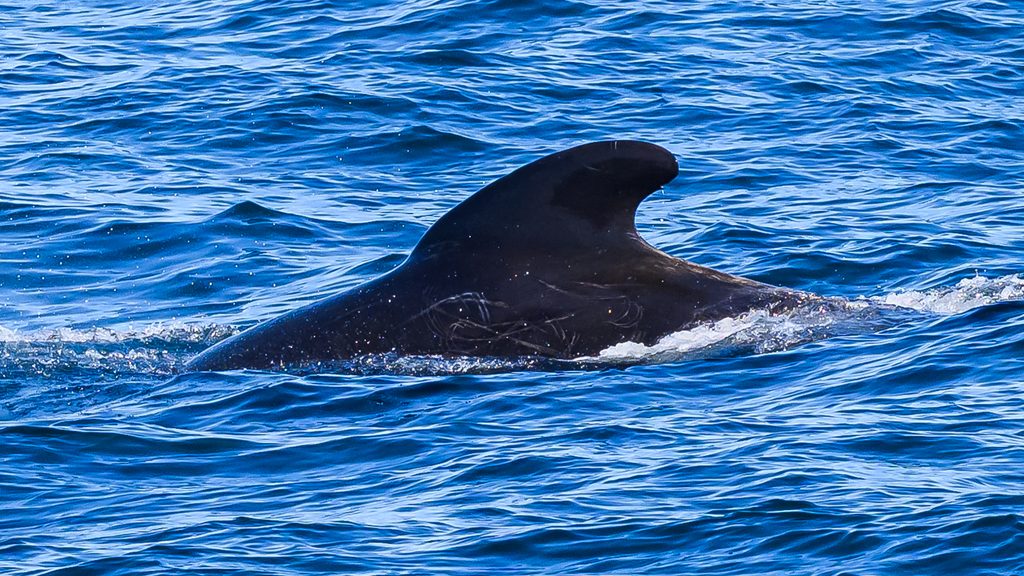
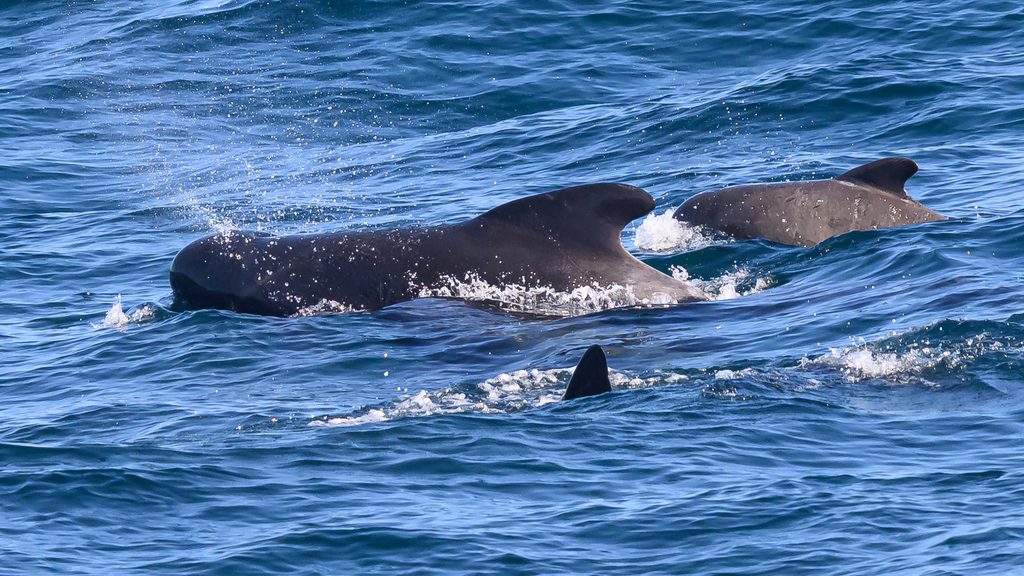
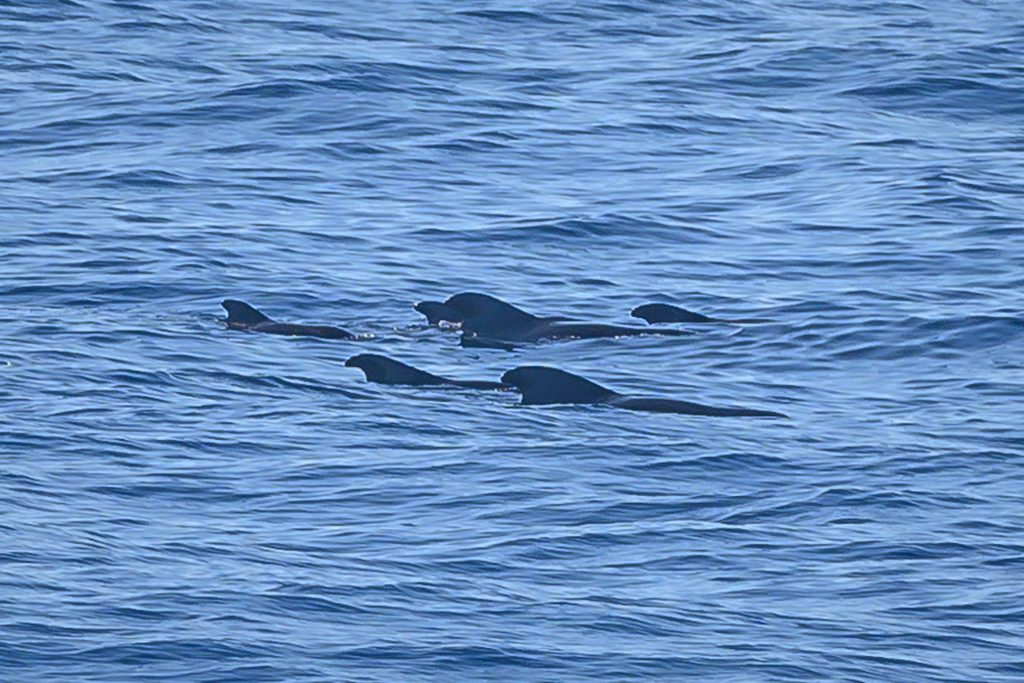
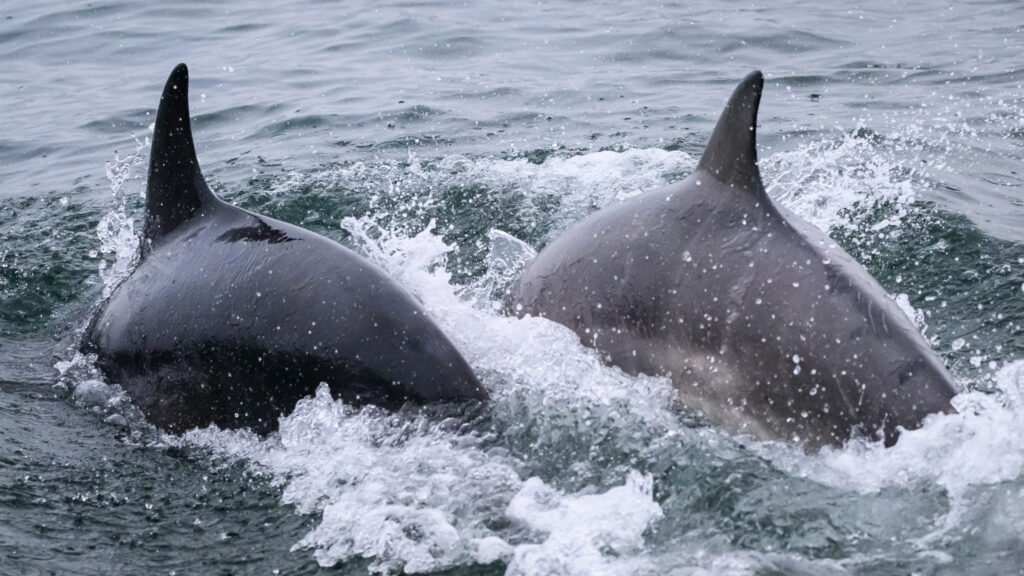
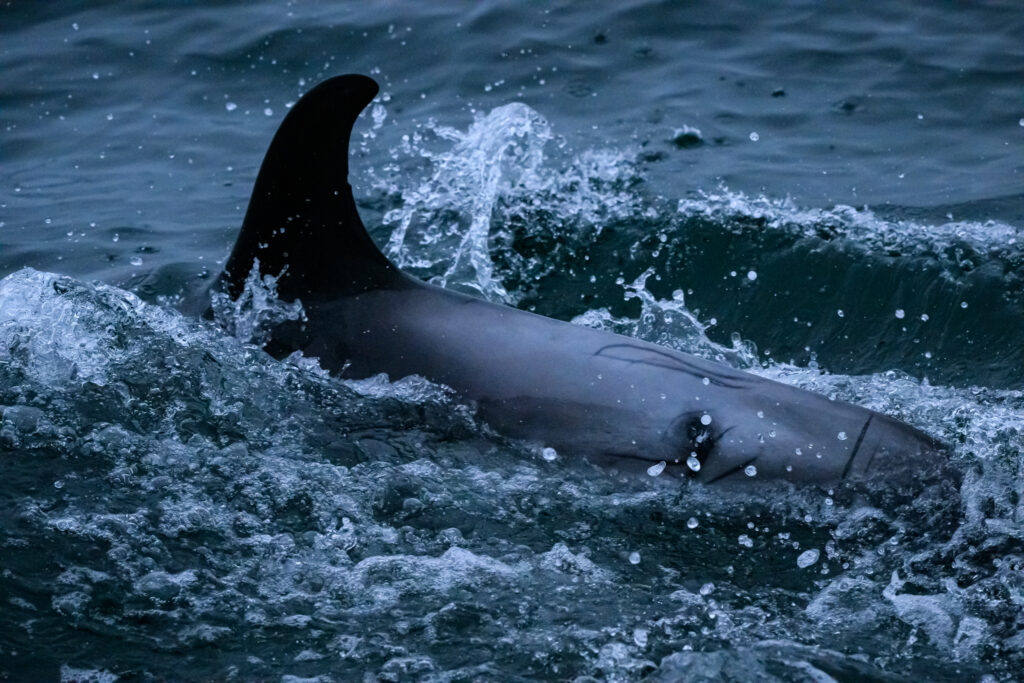
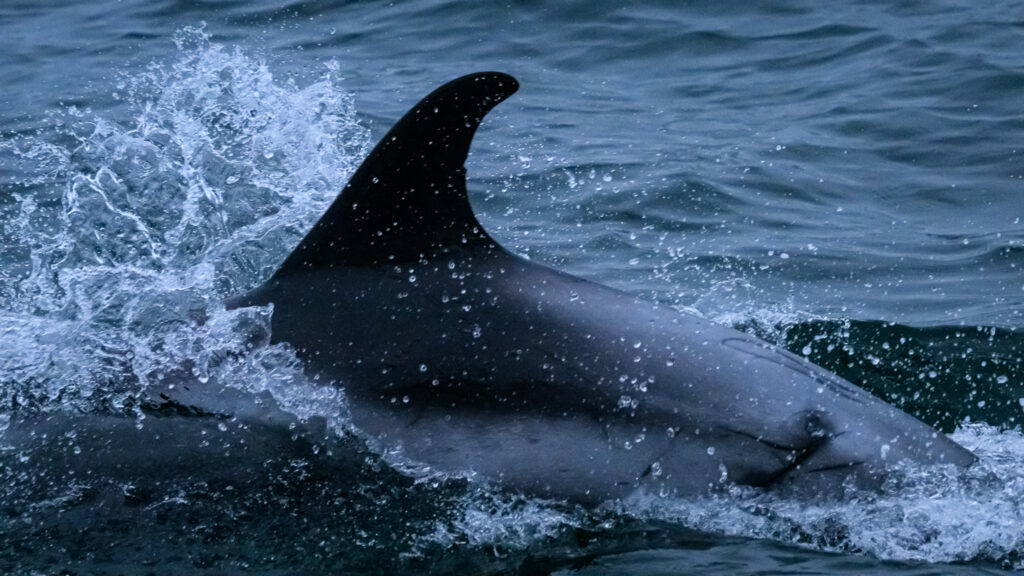
You’ve probably seen news articles about the pod of Pilot Whales that found themselves in the very out-of-range location of Amble, on the Northumberland coast, last Sunday.
The NEWT team were having a day out walking on the coast just north of there when they had a ‘phone call to say there was a group of at least 20 near the mouth of the river Coquet, so plans for the rest of the day were quickly abandoned and they found themselves on the top of a dune at Warkworth, then on the dunes at Amble Links, as part of a volunteer monitoring effort observing what turned out to be in excess of 40 whales.
Sadly, on Monday morning, a small number of animals were stranded/stranding near the southern tip of Coquet Island. Two were confirmed dead by marine mammal medics from British Divers Marine Life Rescue, and that total rose to six on Tuesday morning while Martin was on Amble quayside being interviewed for BBC Look North. That was followed by a trip to the BBC Radio Newcastle studios on Wednesday morning for another interview.
If you see an animal that is injured, distressed, stranded or entangled, do not approach it, touch it or attempt to return it to the sea. Please report the incident by calling the British Divers Marine Life Rescue hotline 01825 765546
In Scotland you can report a dead whale, dolphin, porpoise or seal to the Scottish Marine Animal Stranding Scheme by calling or texting 07979 245893 or emailing reports@strandings.org
Long-finned Pilot Whale Globicephala melas, Iceland-Faroe Ridge 13/07/25 (c)NorthernExperienceImagesLong-finned Pilot Whale Globicephala melas, Iceland-Faroe Ridge 13/07/25 (c)NorthernExperienceImagesShort-finned Pilot Whale Globicephala macrorhynchus, Santa Cruz de Tenerife 11/01/25 (c)NorthernExperienceImages
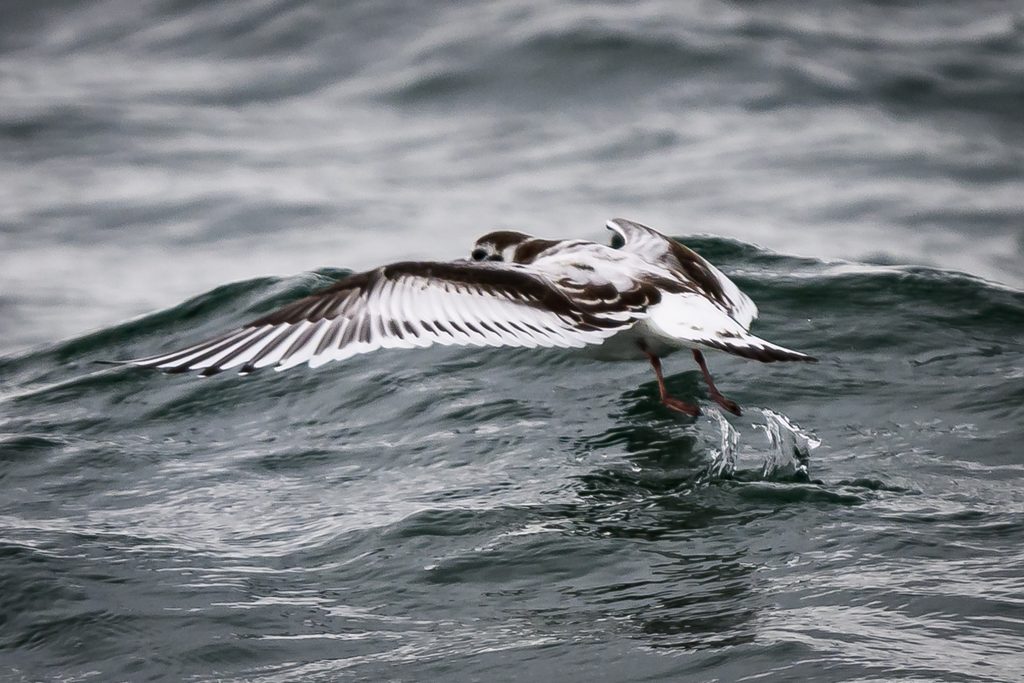
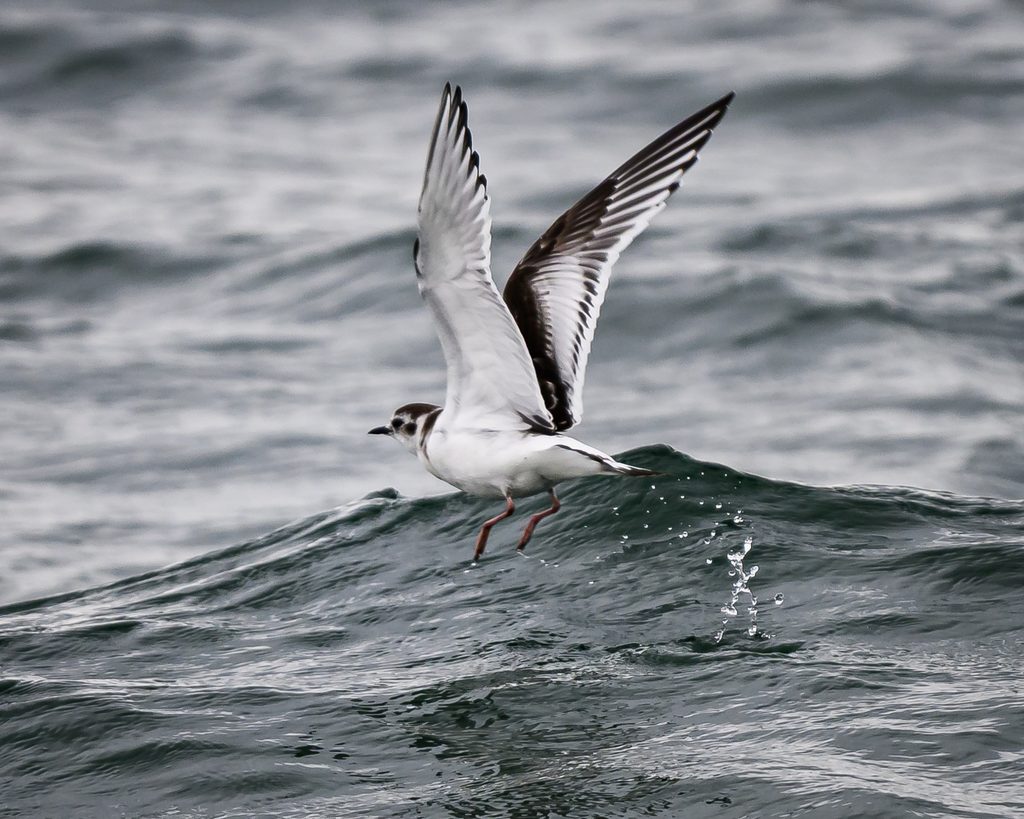
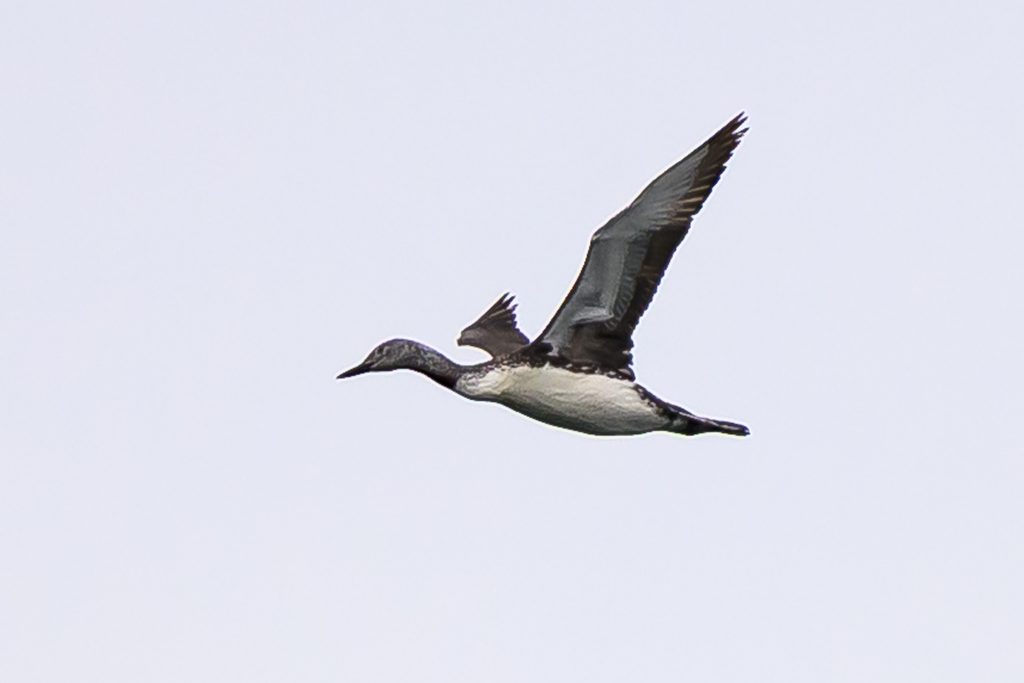
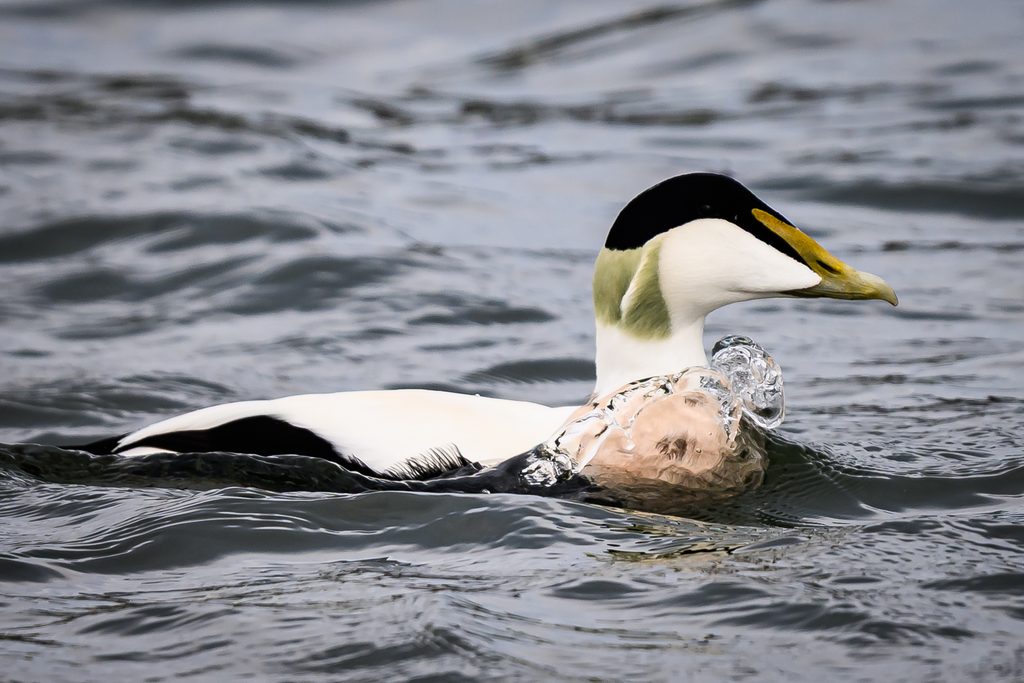
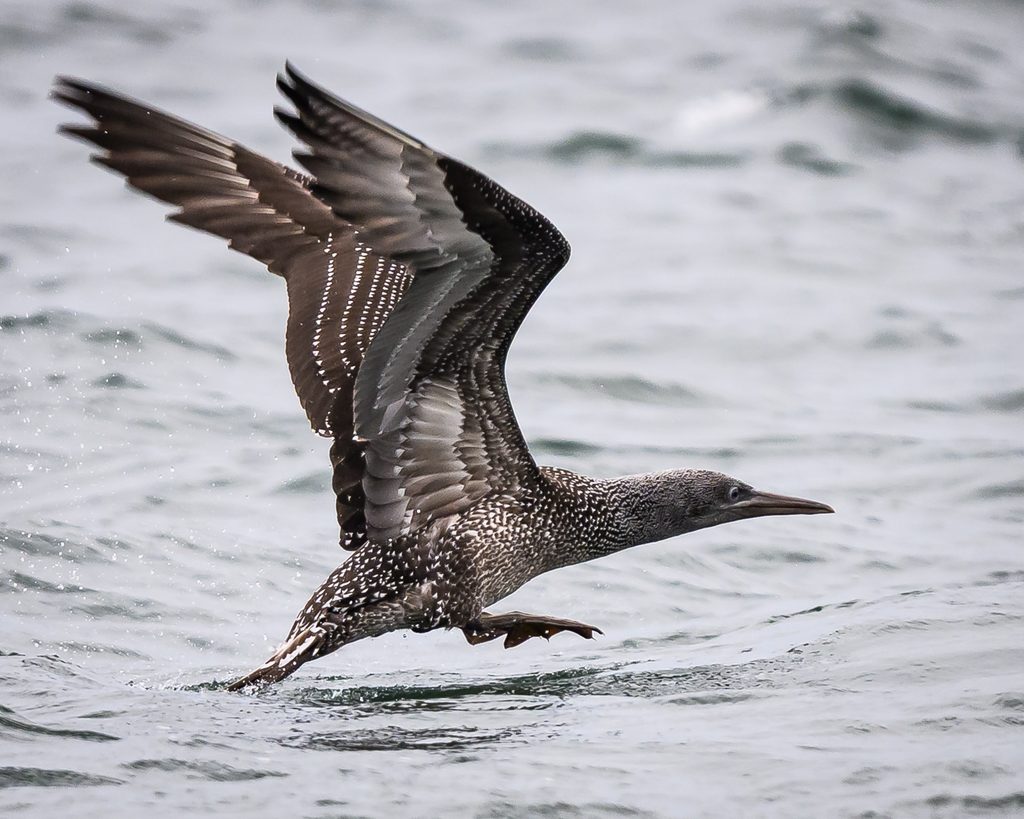
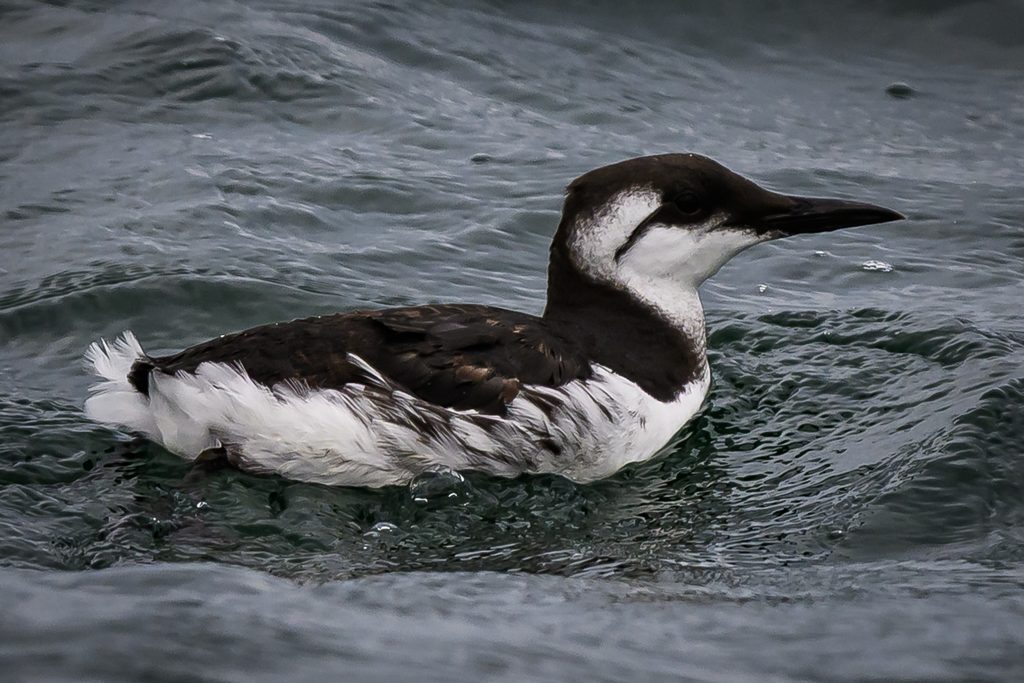
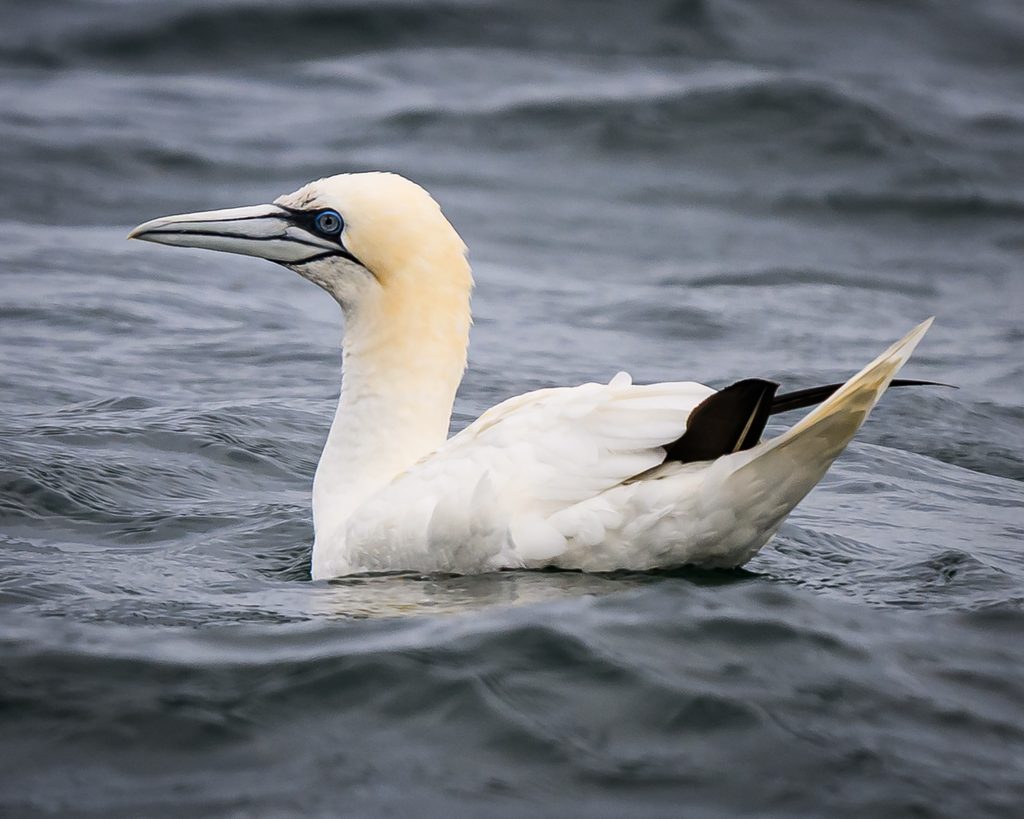
Yesterday we had our final scheduled pelagics for 2026 (although, watch this space…). On a breezy day, with a choppy sea once we were more than a mile from land, juvenile Gannets were demonstrating how they’ve not quite got the hang of ganneting just yet…while adults will circle repeatedly and locate prey before diving from height, the juveniles were often flopping into the sea from just a few feet 🙂 Guillemots and Razorbills were rafting, there was a steady passage of Red-throated Divers, dainty Little Gulls were dip-feeding everywhere from St Mary’s Island to Marsden Rock, Arctic, Pomarine and Long-tailed Skuas were heading north and ignoring the range of victims available to them over shoals of Herring, and Wigeon, Teal , and Common Scoter passed in flocks.
Little Gull Hydrocoloeus minutus, North Sea, off South Shields 25/09/26 (c)NorthernExperienceImagesLittle Gull Hydrocoloeus minutus, North Sea, off South Shields 25/09/26 (c)NorthernExperienceImagesRed-throated Diver Gavia stellata, North Sea, off South Shields 25/09/26 (c)NorthernExperienceImagesCommon Eider Somateria mollissima, River Tyne, North Shields 25/09/26 (c)NorthernExperienceImagesNorthern Gannet Morus bassanus, North Sea, Northumberland 25/09/26 (c)NorthernExperienceImagesCommon Guillemot Uria aalge, North Sea, Northumberland 25/09/26 (c)NorthernExperienceImagesNorthern Gannet Morus bassanus, North Sea, Northumberland 25/09/26 (c)NorthernExperienceImages
Only for this year, but our final pelagic of 2026 is this Friday afternoon (September 25th), departing Royal Quays Marina 13:30, and we’ve unexpectedly got two spaces available! First come, first served, and you can book your space by clicking the date on our website calendar 🙂
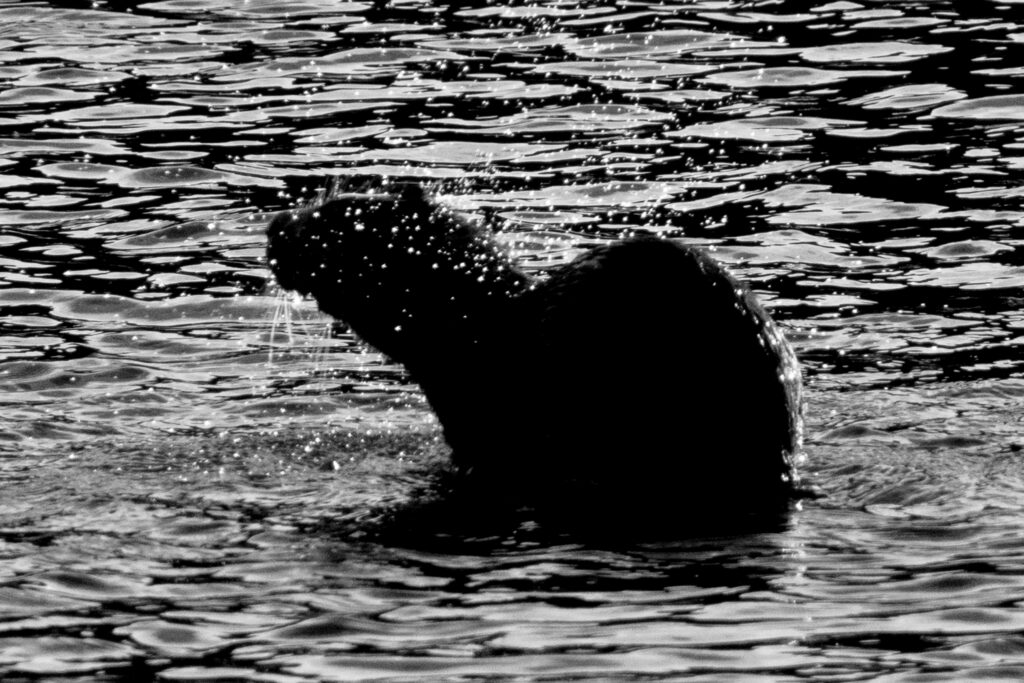
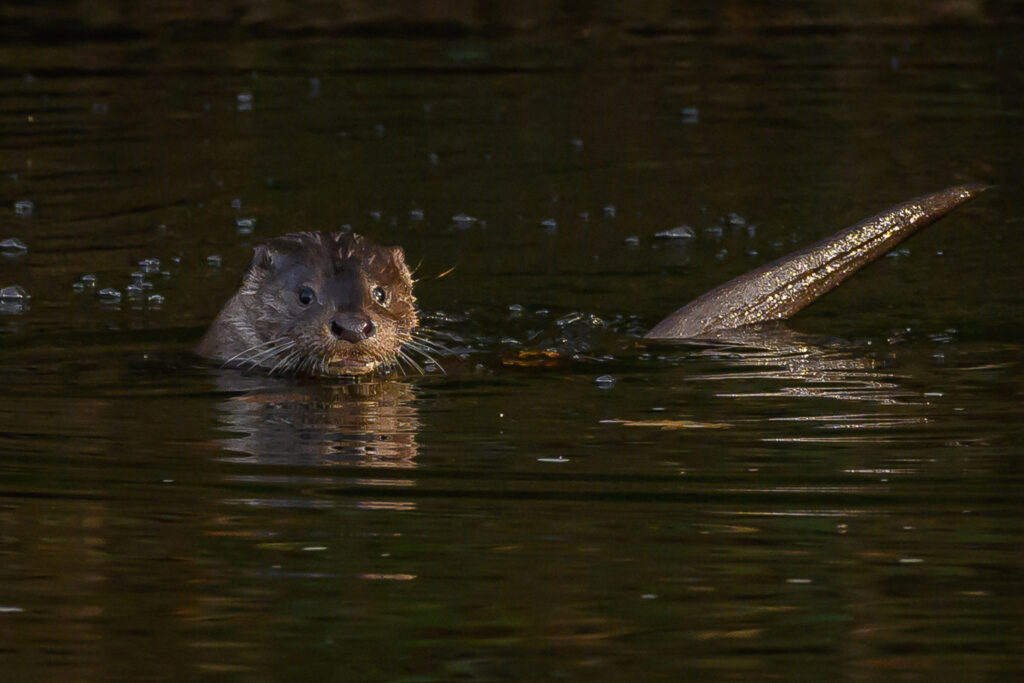
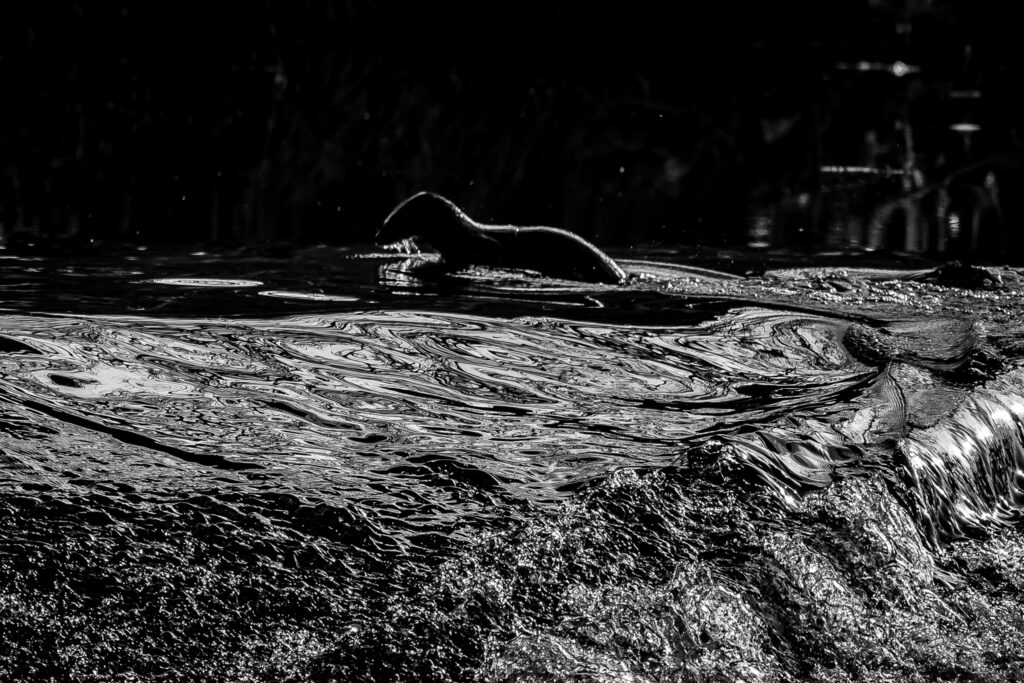
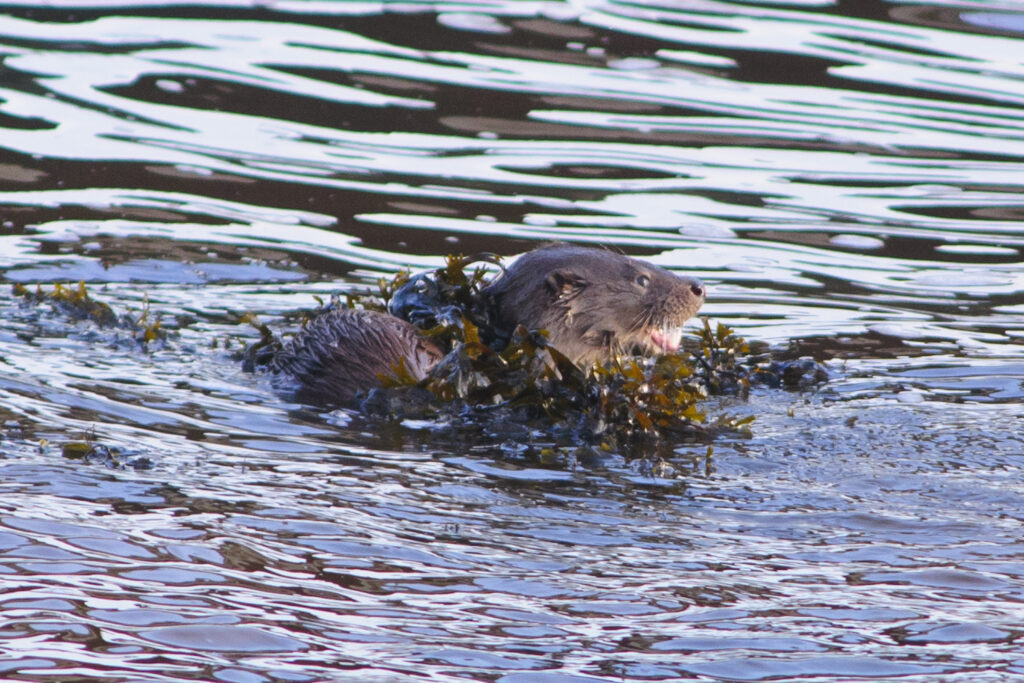
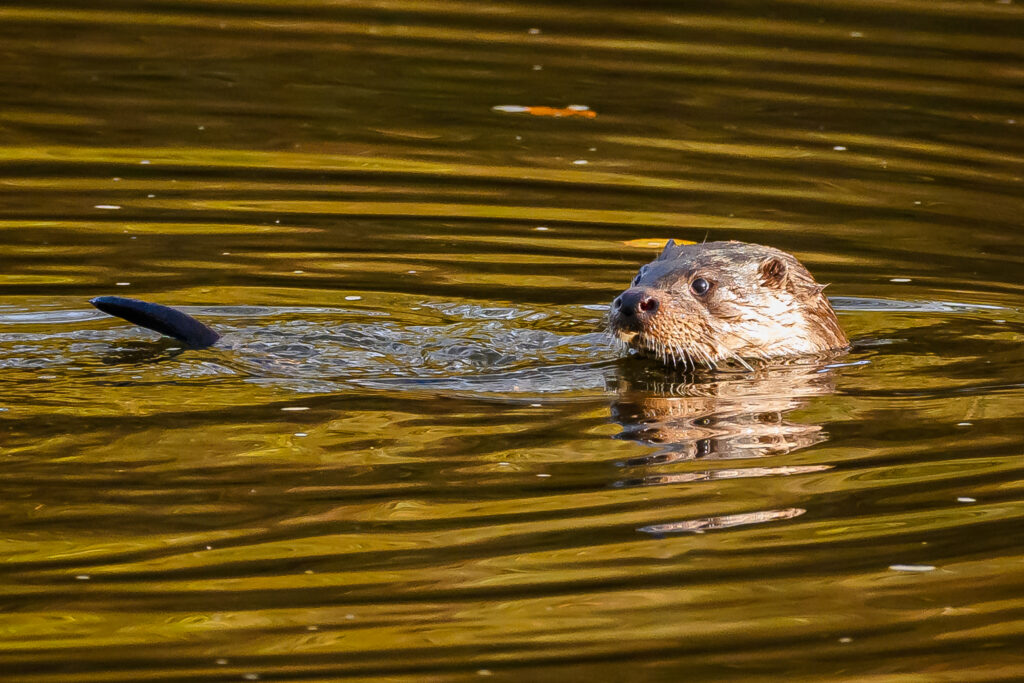
Anyone who has followed our blog for some time will be very familiar with the important role that Otters have played in the development of NEWT over the last 18 years. Jessica Aldred’s article in the Guardian took our website from one or two visitors a day to 600 or more, and the number of enquiries we get about trips to look for Otters is about the same as enquiries about pelagic trips and dolphin spotting :-). Although COVID precipitated a change from us providing transport and food, and safari days lasting up to 10 hours, to our current half-day model where we have a pre-arranged meeting point and we walk (and occasionally drive in convoy) from there, Otters and the search for them has remained a constant throughout. We’ll be adding otter mini-safari dates for 2027 to our calendar in the next couple of months, but we’ve already taken bookings for May and September next year!
They’re wild animals and (generally) unpredictable, but there’s always lots of other wildlife to watch while we’re searching for them and sometimes they can even be overshadowed by other species (usually Barn Owl…) in the rich flora and fauna of Northumberland.
Eurasian River Otter (Lutra lutra), Northumberland (C) Northern Experience ImagesEurasian River Otter (Lutra lutra), Northumberland (C) Northern Experience ImagesEurasian River Otter (Lutra lutra), Northumberland (C) Northern Experience ImagesEurasian River Otter (Lutra lutra), Northumberland (C) Northern Experience ImagesEurasian River Otter (Lutra lutra), Northumberland (C) Northern Experience Images
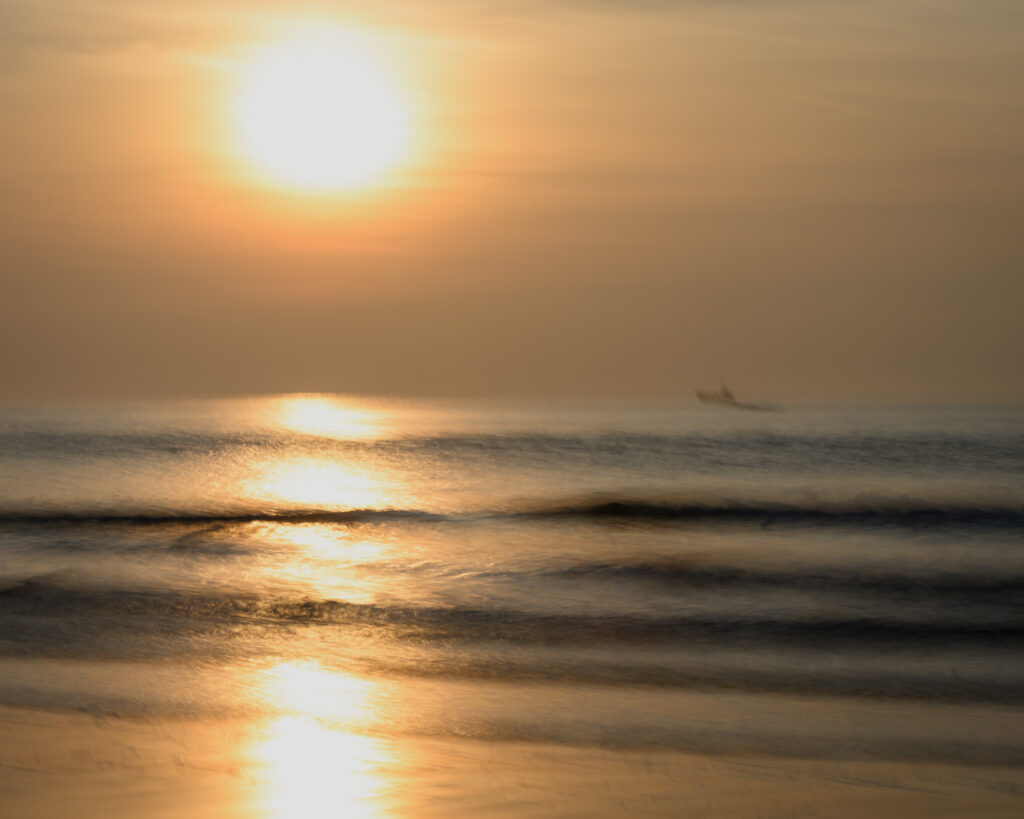
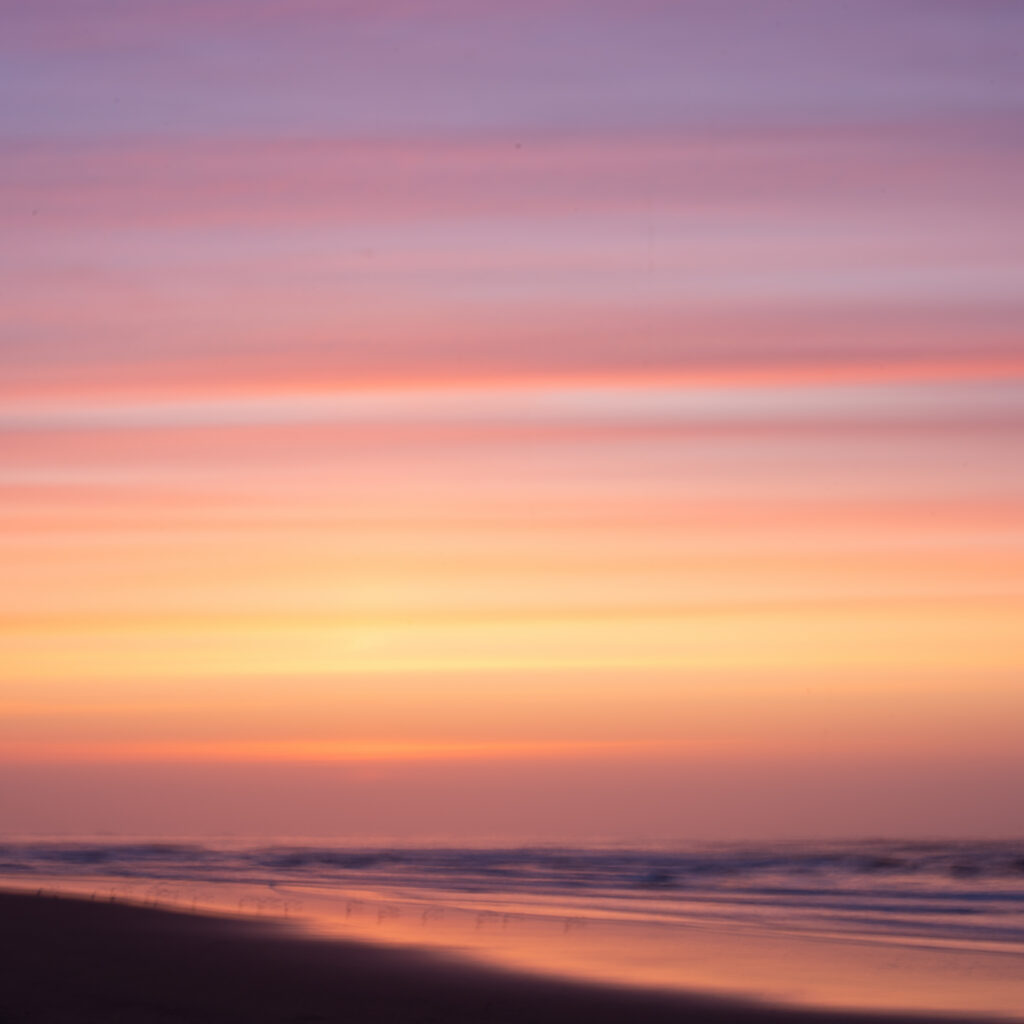
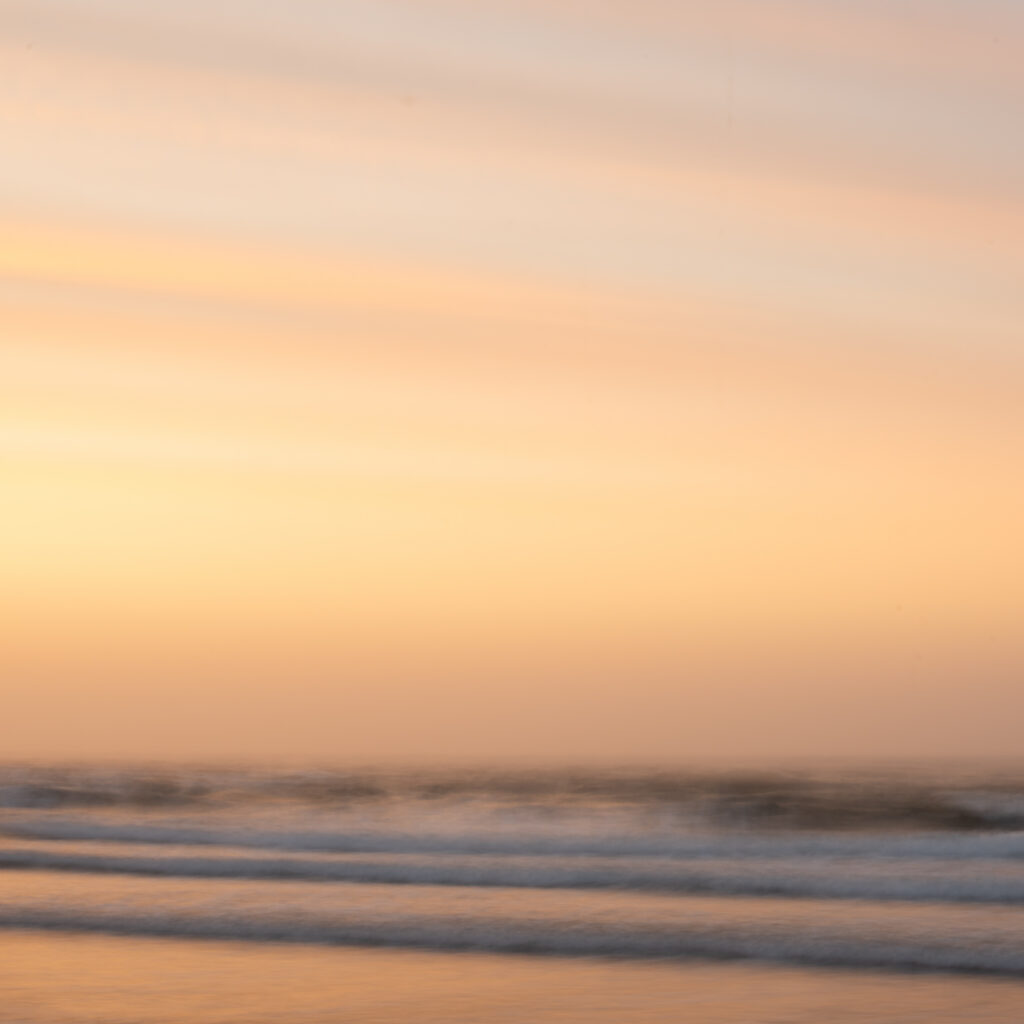
I’ve never really been a morning person, but the limited colour palette of a hazy sunrise on the East coast is always an incentive.
I was already using a long enough exposure to blur the incoming waves, but then a little bit of intentional camera movement changed things completely. The waves transformed from motion-blurred to brushstrokes, and a ghosted image of the fishing boat on the horizon as it approached the reflection of the Sun balanced the luminosity of the left hand side of the frame.
That horizon right across the middle of the image? Rules are meant to be bent and broken…
A lot of my photography needs to be as sharp and realistic as possible; dolphin photo-ID and kittiwake colony counts both require technical precision, and accurate depiction of the subject, and they’ve filled a lot of memory card space over the last few years.
For a long time, most of my landscape photography was similarly precise. Mainly black and white, although I love the colours of sunset and sunrise, often contrasty, but usually identifiable to location and with an obvious subject.
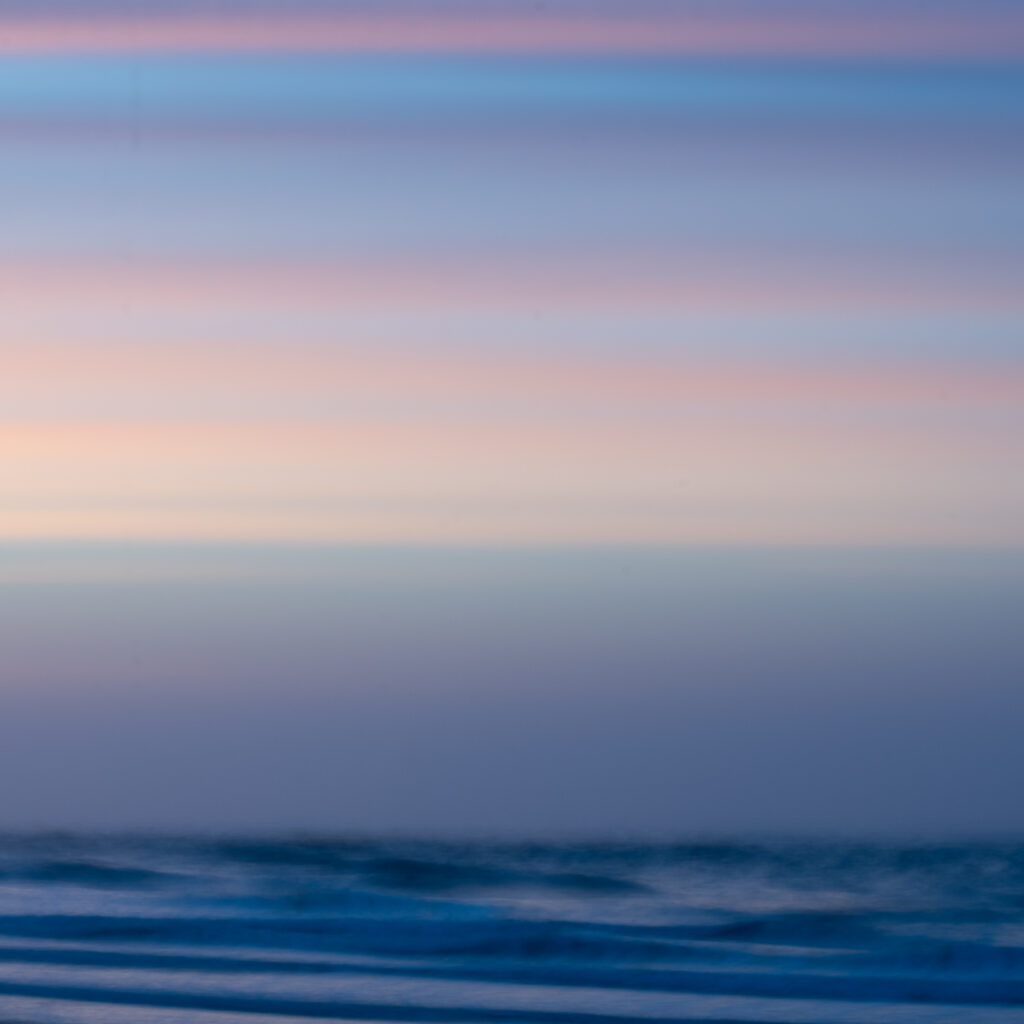
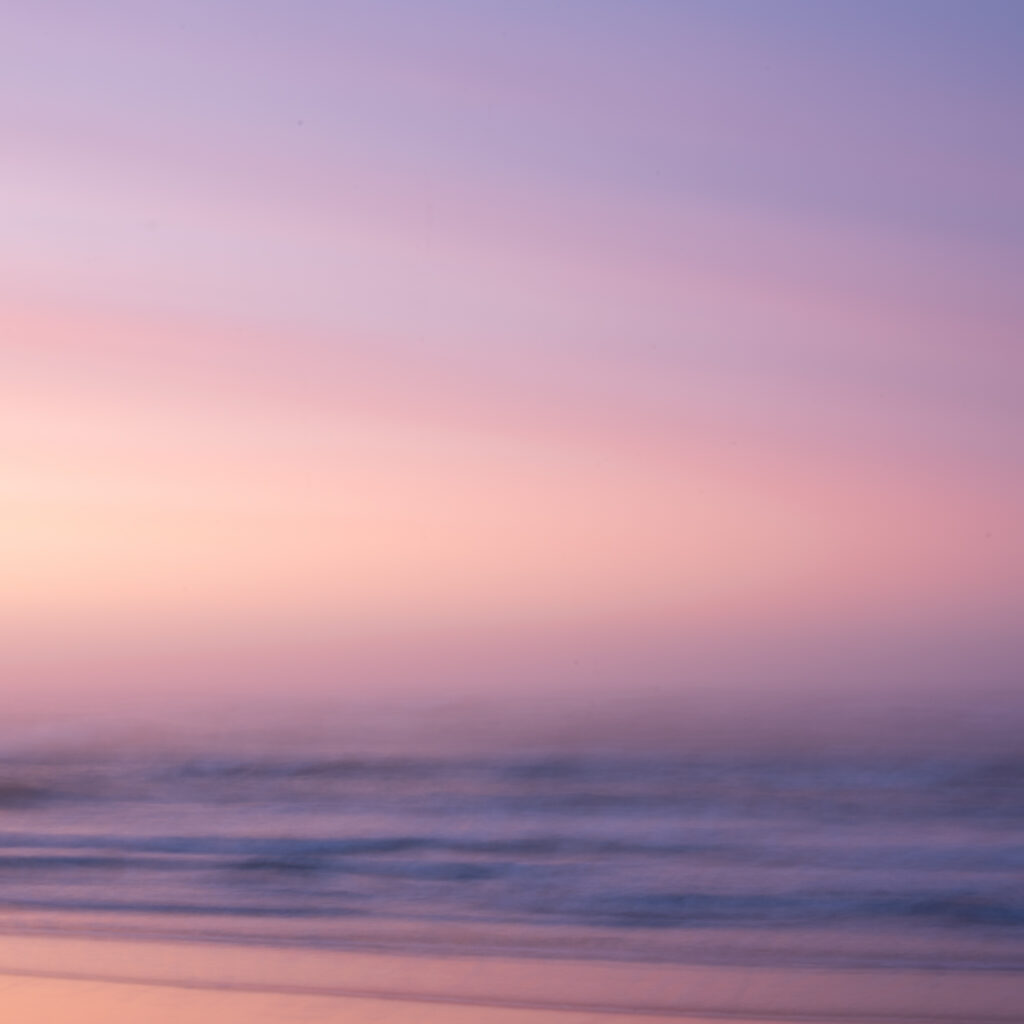
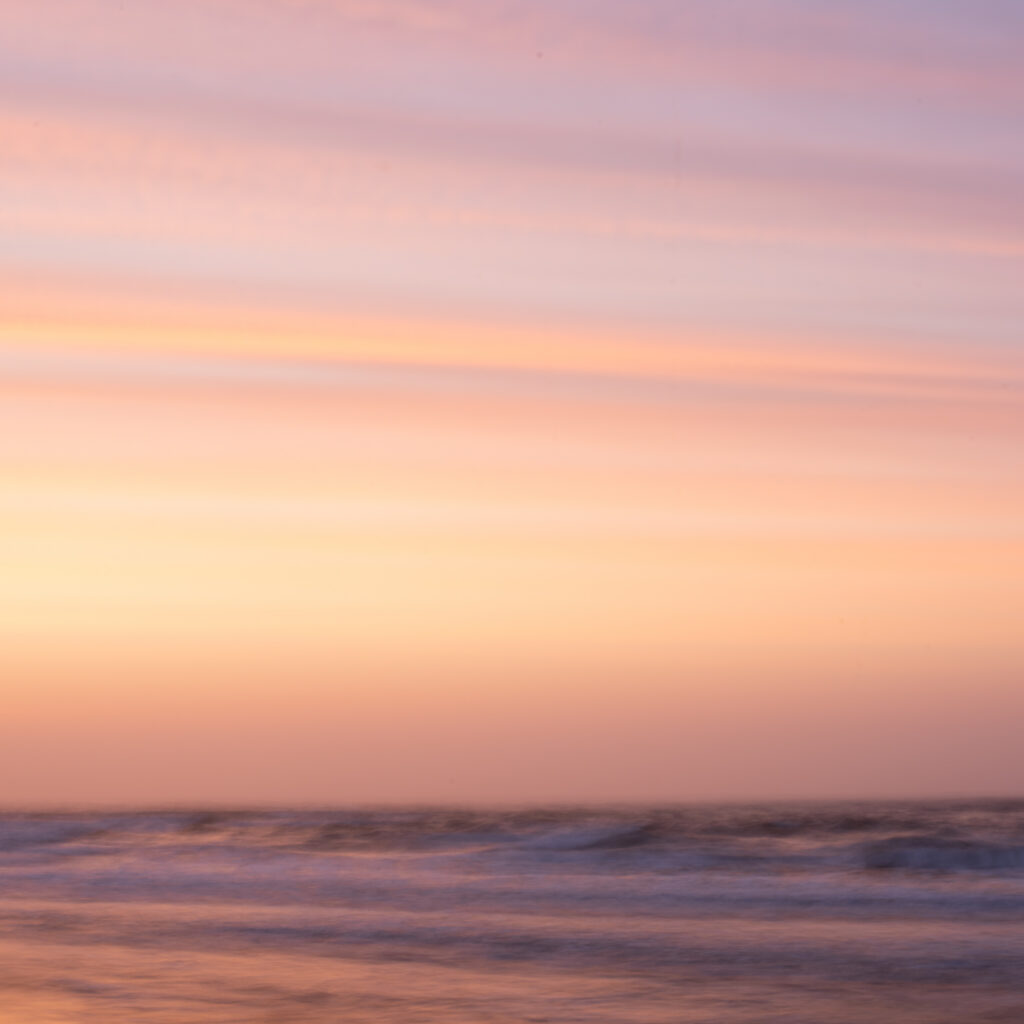
That started to change 7 years ago. I was leading a photography holiday on the Northumberland coast and all of the guests had said they wanted to be out very early the next morning to photograph the sunrise. Surprisingly, or not, I was the only one who actually headed to the beach at 5am so it was just me, my camera, an occasional dog-walker, and sublime light just before sunrise. I was hand-holding, with exposures of up to 5s, so knew that there would be some camera movement. I’ve always had an obsession with capturing the movement of water, but the ethereal painterly feel of images taken with several seconds of exposure and without the safety net of a tripod anchoring familiar shapes in the frame was something I’d never attempted.
Alnmouth beach, Northumberland, 19/04/19 (c)Northern Experience ImagesAlnmouth beach, Northumberland, 19/04/19 (c)Northern Experience ImagesAlnmouth beach, Northumberland, 19/04/19 (c)Northern Experience ImagesAlnmouth beach, Northumberland, 19/04/19 (c)Northern Experience ImagesAlnmouth beach, Northumberland, 19/04/19 (c)Northern Experience Images
In future posts I’ll share the development of my own landscape photography over the last few years, as well as techniques, and thoughts about veering away from realism…
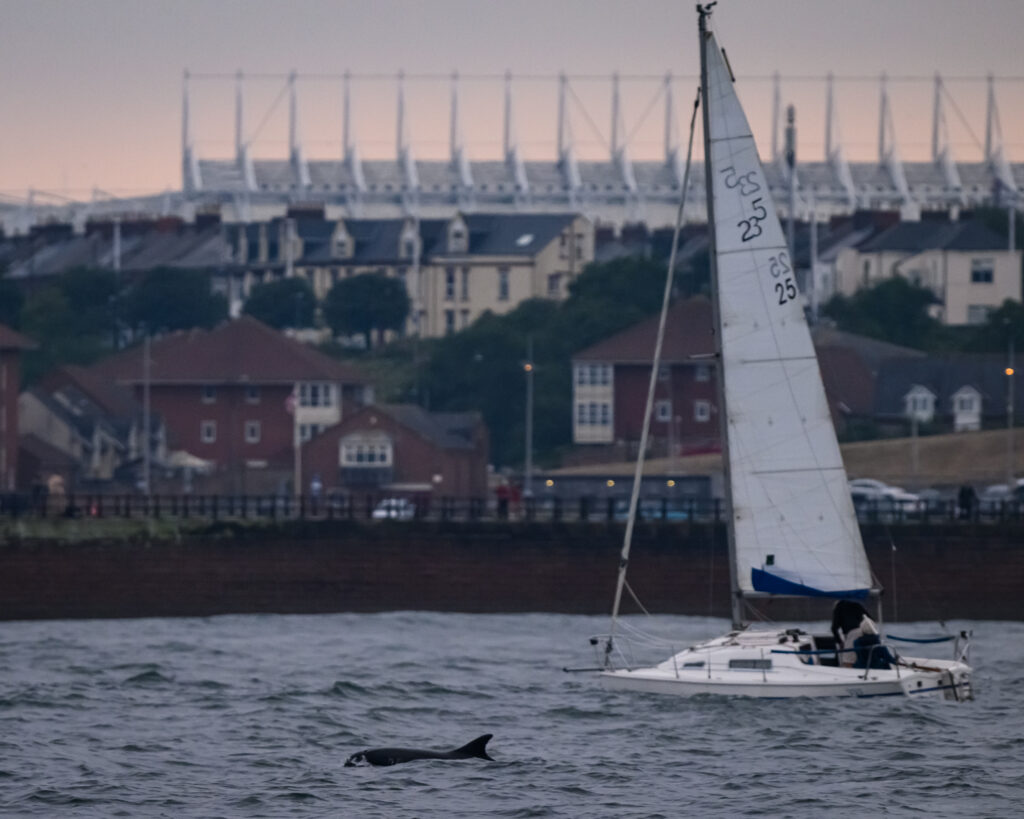
After a few late withdrawals, due to the alternative evening entertainment from Atlanta, we still managed to sail with a full boat. There had been a sighting of dolphins breaching out near the Tyne Anchorage, and at this time of year that would almost certainly mean White-beaked Dolphins! Heading along the Tyne, under leaden skies, we had an update…”There are dolphins just north of the piers now, I’m sure they’re White-beaks”.
As we left the river and scanned along King Eddie’s Bay and Longsands, there were ten or so White-beaks well dispersed and quietly feeding. One or two had a quick look at us before heading back towards the shore, and we drifted well away from them. We decided to head slowly southwards, and passed the dolphins who were now either side of the mouth of the Tyne. As we picked up speed they started chasing us down and then we had them bow-riding to Souter Lighthouse, where we also had brief views of three Harbour Porpoises 🙂
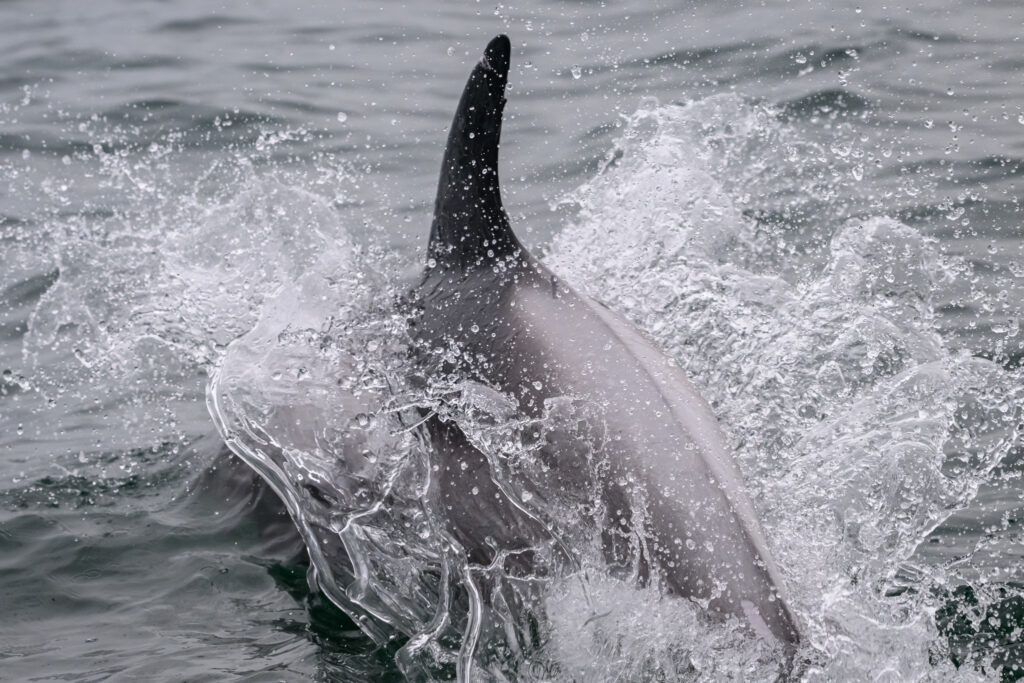
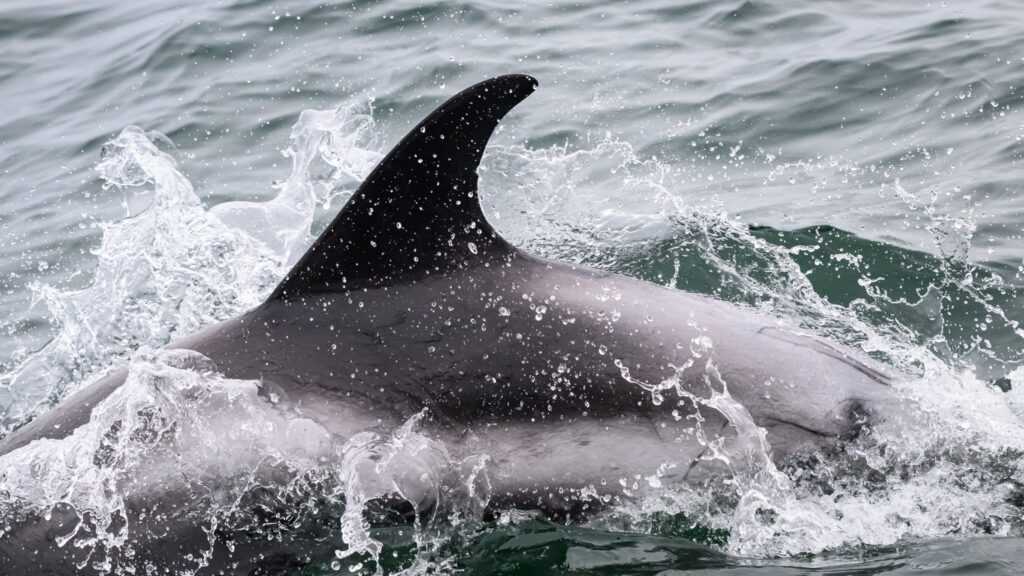
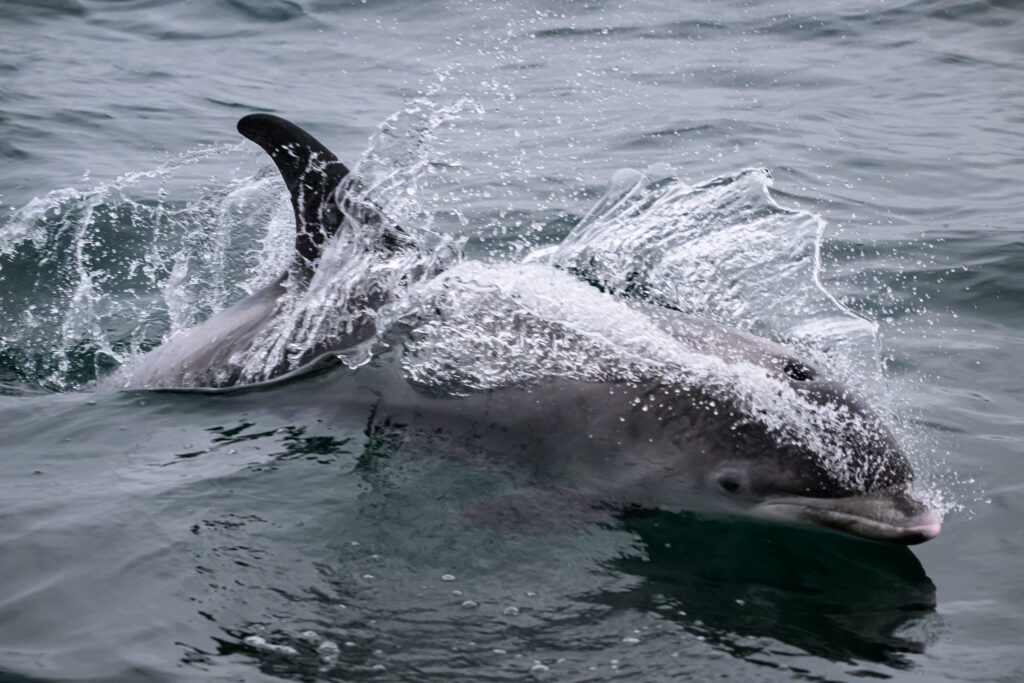
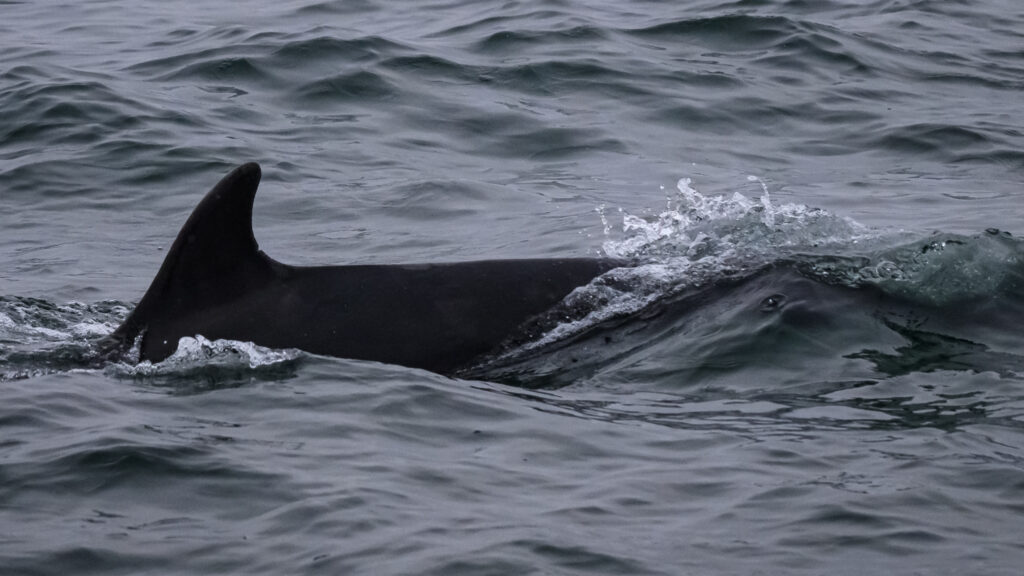
White-beaked Dolphin [Lagenorhynchus albirostris], off Souter, South Tyneside, 15/07/26 (c)Northern Experience ImagesWhite-beaked Dolphin {Lagenorhynchus albirostris], off Souter, South Tyneside, 15/07/26 (c)Northern Experience ImagesWhite-beaked Dolphin [Lagenorhynchus albirostris], off Souter, South Tyneside, 15/07/26 (c)Northern Experience Images
Suddenly, they all vanished. Our final sighting was one animal that had been bow-riding for ten minutes then disappeared with a vertical dive into the inky darkness below, just as someone spotted dolphins close to shore below the lighthouse. I lifted my binoculars and was surprised to see Bottlenose Dolphins heading south! We drifted for a few minutes without any further sign of them, then continued steadily towards Roker, where we were joined by six bow-riding Bottlenose 🙂
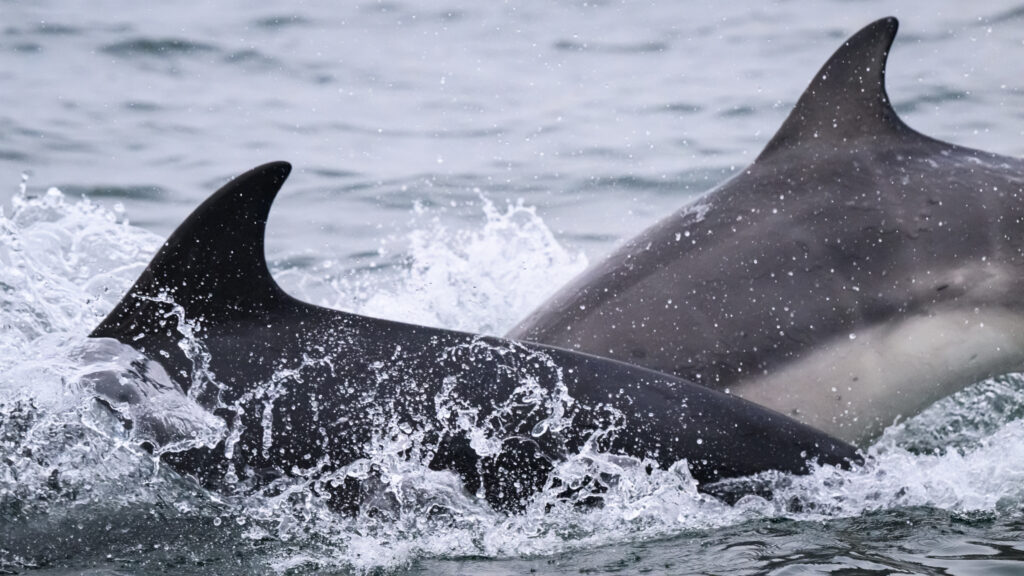
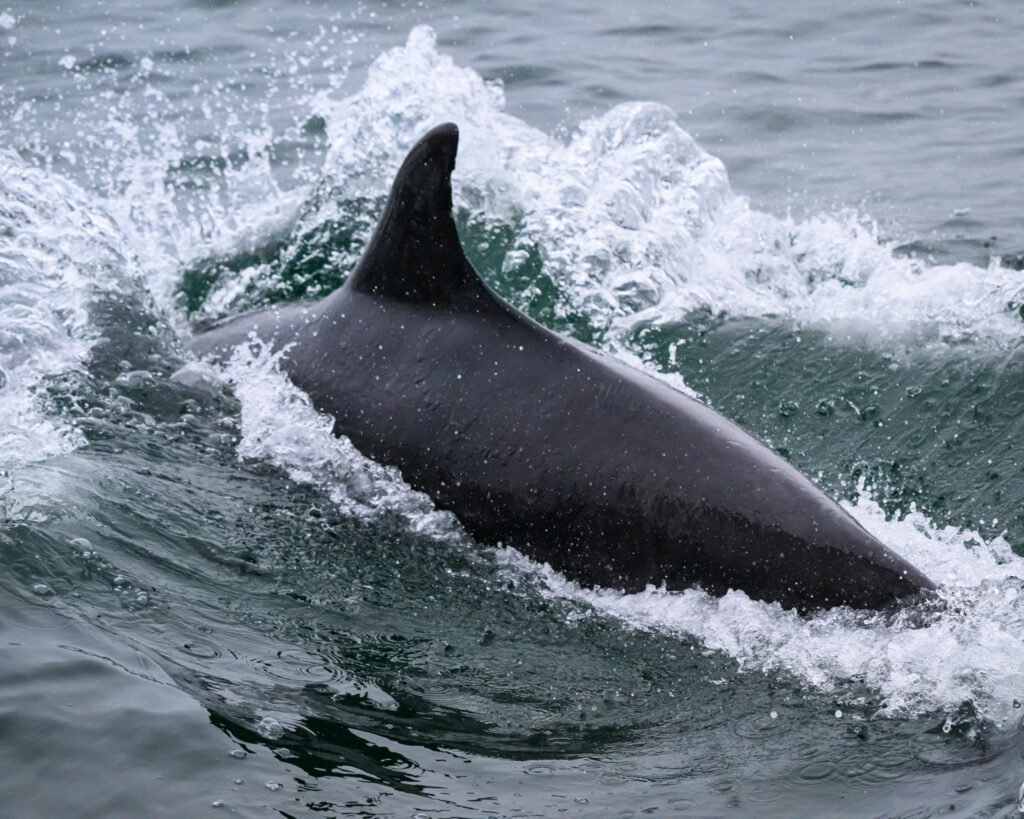
Bottlenose Dolphin [Tursiops truncatus], off Roker, 15/07/26 (c)Northern Experience ImagesBottlenose Dolphin [Tursiops truncatus], off Roker, 15/07/26 (c)Northern Experience ImagesBottlenose Dolphin [Tursiops truncatus], off Roker, 15/07/26 (c)Northern Experience ImagesBottlenose Dolphin [Tursiops truncatus], off Roker, 15/07/26 (c)Northern Experience ImagesBottlenose Dolphin [Tursiops truncatus], off Roker, 15/07/26 (c)Northern Experience Images
They eventually departed when we were off Hendon, and it was time for us to start heading back towards the Tyne. As we approached Marsden Rock another Harbour Porpoise was typically undemonstrative as it slowly surfaced, then the White-beaked Dolphins reappeared 🙂 The group included at least three mother/calf pairs, with one of the calves so small that it was possibly only a few days old! There was more bow-riding, in failing light and a deepening swell, and dolphins were still widely dispersed off South Shields as we made our way through the piers. Other than sailing along the Tyne, there were probably only 20 minutes during the entire evening where we didn’t have dolphins in view!
White-beaked Dolphin [Lagenorhynchus albirostris], off South Shields, 15/07/26 (c)Northern Experience ImagesWhite-beaked Dolphin [Lagenorhynchus albirostris], off South Shields, 15/07/26 (c)Northern Experience ImagesWhite-beaked Dolphin [Lagenorhynchus albirostris], off South Shields, 15/07/26 (c)Northern Experience Images
Most of our pelagic trips for the remainder of this year are already full, but we’ve just added some 4hr daytime sailings in September www.newtltd.co.uk/calendar. Bookings went live on Monday and they’re filling quickly, with only September 25th 09:00 having more than three spaces still available, so if you’d like to join us on the final day of Martin’s 30th season organising pelagic trips off the NE coast book soon!
I ‘phoned Helen on Monday morning to check that everything was still ok for the evenings excursion searching for Otters. It was raining quite hard, and visibility wasn’t great, but with her brother and sister visiting, to celebrate her 60th birthday, Monday was the only realistic option…
Luckily it wasn’t windy, as that’s the weather condition where we’ve always had a much harder job finding Otters, and the rain had eased when we met at the car park at Church Point in Newbiggin by the Sea. I’d seen an Otter three times in the last week on the River Wansbeck and we walked along the river from the estuary to the location of my most recent sighting, which had been on Saturday morning.
Cormorants were roosting on a small island, Canada Geese were calling noisily, and a drake Mallard slowly heading along the water’s edge in the shadow of the bushes on the opposite side of the river attracted our attention a couple of times. Stonechats were flying back and forth between the riverside hawthorns and, as the rain stopped, the river was nearly mirror flat. An “ooh” then an “ahh” from Helen focused everyone’s attention on the water less than halfway across the river…and up popped an Otter!
When one of our clients really wants to see an Otter in the wild it’s always a joy for us to help them do that, and when it’s within a few miles of their home it’s even better 🙂 After more than an hour of the Otter feeding, vanishing for a few minutes, reappearing and then eventually disappearing into the gloom, we headed out to the coast where Grey Heron, Moorhen and Coot were making their way along the edges of reedbeds, the disembodied tittering call of a Little Grebe came from beyond the constantly encroaching limit of visibility and a Marsh Harrier made a close pass as the rain intensified.
Not sure where the time went, but I just realised it’s nearly two years since I wrote a blog post!
For the last couple of years our NEWT-related activities have mainly been based around our pelagic season between May and September, delivering events at the Battlesteads Observatory, and still dealing with the backlog of bookings created by the 2020/2021 lockdowns. Although we haven’t been scheduling tours, we’ve still been delivering them regularly, and we’re thinking about how we add scheduled tours to our calendar again 🙂 We’re actually down to the final three trips still remaining to be delivered after delays due to COVID – both ours and our clients – and poor weather.
As well as NEWT events, I’ve been leading holidays for two other tour operators and spending May-September since 2021 studying Kittiwakes for Shoney Wind as part of the team behind the new ‘Kittiwakery’ artificial nesting structure on the south shore of the Tyne at Saltmeadows. In August this year I was part of the wildlife guide/guest speaker team from Ocean Wildlife Encounters, on a cruise from Dover to the Faroe Islands via Shetland (and back to Dover via Orkney) and I’ll be doing more guiding with OWE going forward.
Perhaps the thing I’m planning to do much more often though is write blog posts, so they’ll be covering our tours, photography, cruise guiding, Kittiwakes and, of course, dolphins 🙂
Sunday was our seascape photography workshop with Peter, after a few delays due to the weather…
With an experienced photographer, camera settings aren’t an important consideration to concentrate on so we spent some time looking at how to predict which waves are going to break obligingly and chatted about compositional techniques 🙂
Generische Medikamente können gefälscht werden und einen stark negativen Einfluss auf den menschlichen Organismus ausüben. Zu schweren Nebenwirkungen wie einem lebensbedrohlichen viagra bestellen Blutdruckabfall führen kann. Wir empfehlen auf natürliche Alternativen zu diesem Mittel zurückzugreifen.